
How Often Should You Mow Your Lawn and How High?
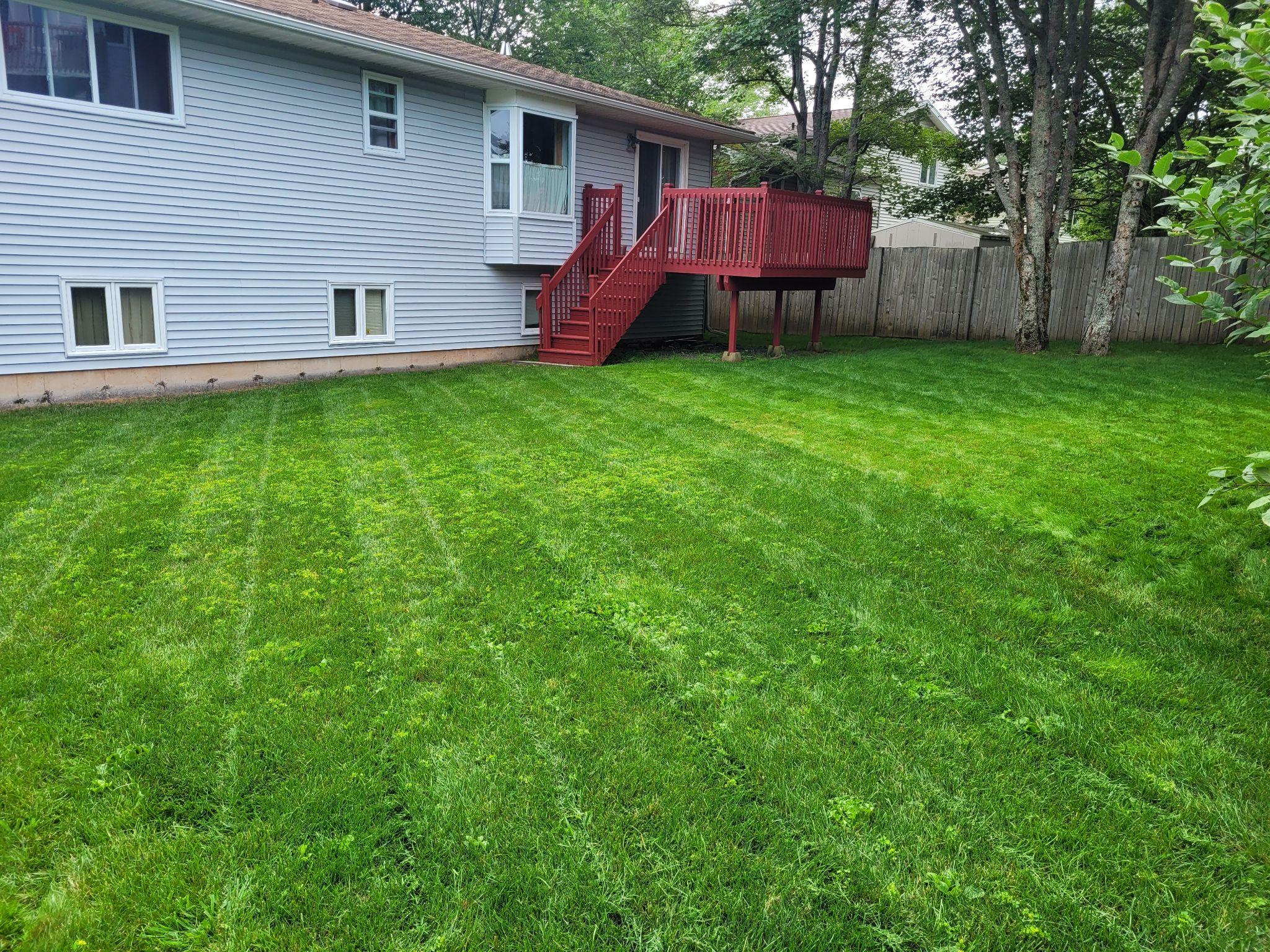
Have you ever wondered why mowing your yard always feels like a guessing game? Maybe your lawn looks uneven or patchy, or you’re constantly trying to decide whether to mow today or wait a few more days. It’s frustrating when you care about your yard, but don’t have a clear answer for how often should you mow your lawn.
Several factors influence mowing, including grass type, season, recent rainfall, and even mower height. When you’re unsure, it’s easy to overdo it or wait too long, both of which can hurt your grass. That uncertainty can add stress and inconsistency to your yard’s care.
The good news is, there’s a practical way to take the guesswork out. With a clear mowing schedule, some simple guidelines, and a dependable team behind you (if needed), keeping your grass at the right height doesn’t have to be complicated.
This guide covers the when, how, and how high of mowing so your lawn stays healthy and easy to manage all season long.
How Often Should You Mow Based on Grass Type?
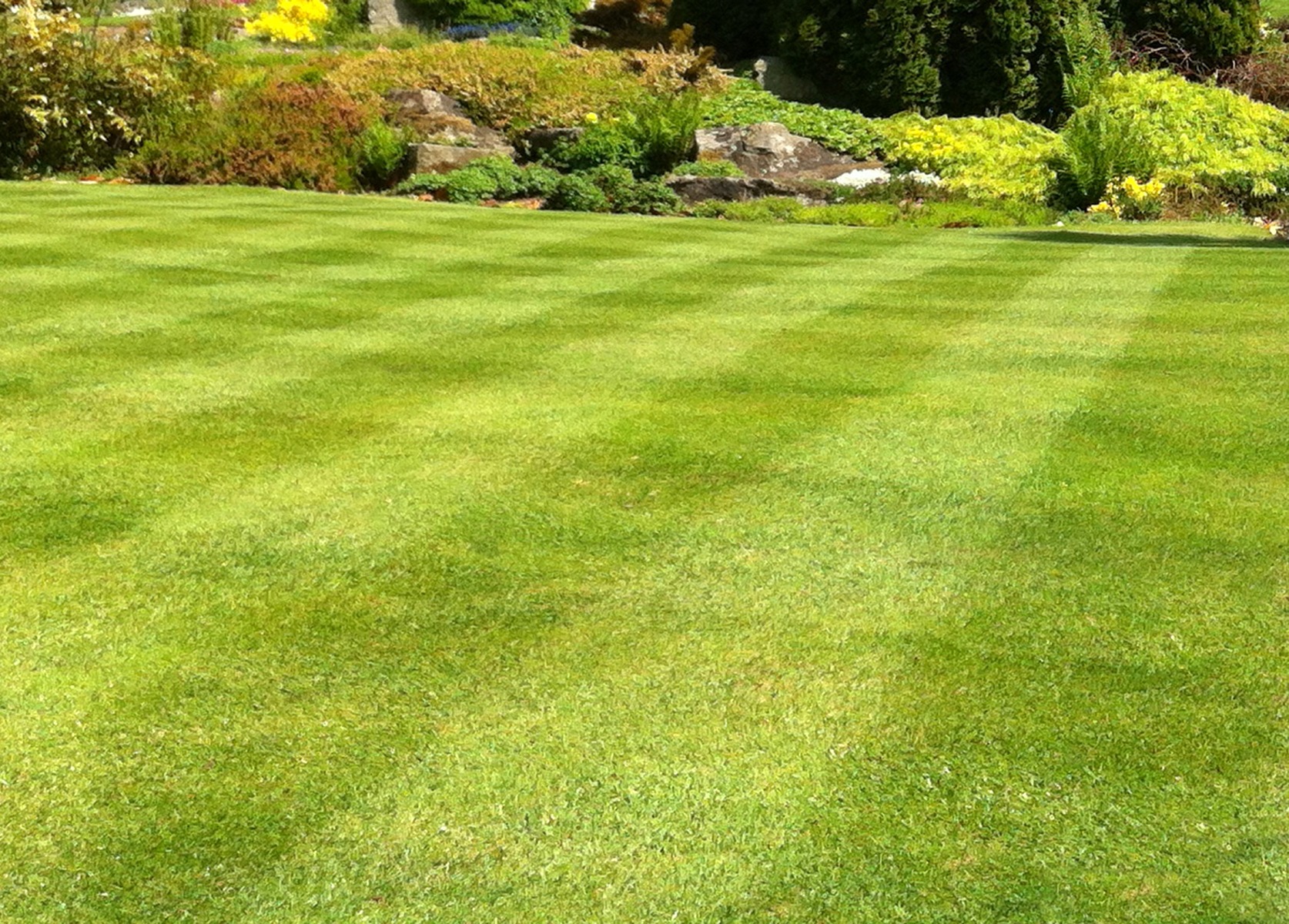
When considering how often you should mow your lawn, start by considering your grass type. Different grasses grow at different rates and have ideal cutting heights. Warm-season grasses like Bermudagrass or zoysia usually grow fast in summer and may need mowing every week or more often. Cool-season grasses, such as fescue and Kentucky bluegrass, tend to peak in spring and fall, and can be cut weekly during these periods.
For example, the best mowing height for fescue grass is around 3 inches. You may need to mow every 5 to 7 days when the grass is actively growing. A low-growing warm-season grass, such as Bermudagrass, may be kept at 1 to 2 inches, meaning it may require mowing twice a week during peak season.
So, how often should you mow your lawn? It depends on how fast it’s growing and what height you want to maintain. If your grass looks shaggy or has grown about one-third taller than your ideal height, it’s time to mow. In cooler or shady spots, grass may grow slower and need less frequent mowing. During heatwaves or with proper fertilization, you may need to mow more often.
Why the One-Third Rule Mowing Protects Your Lawn?
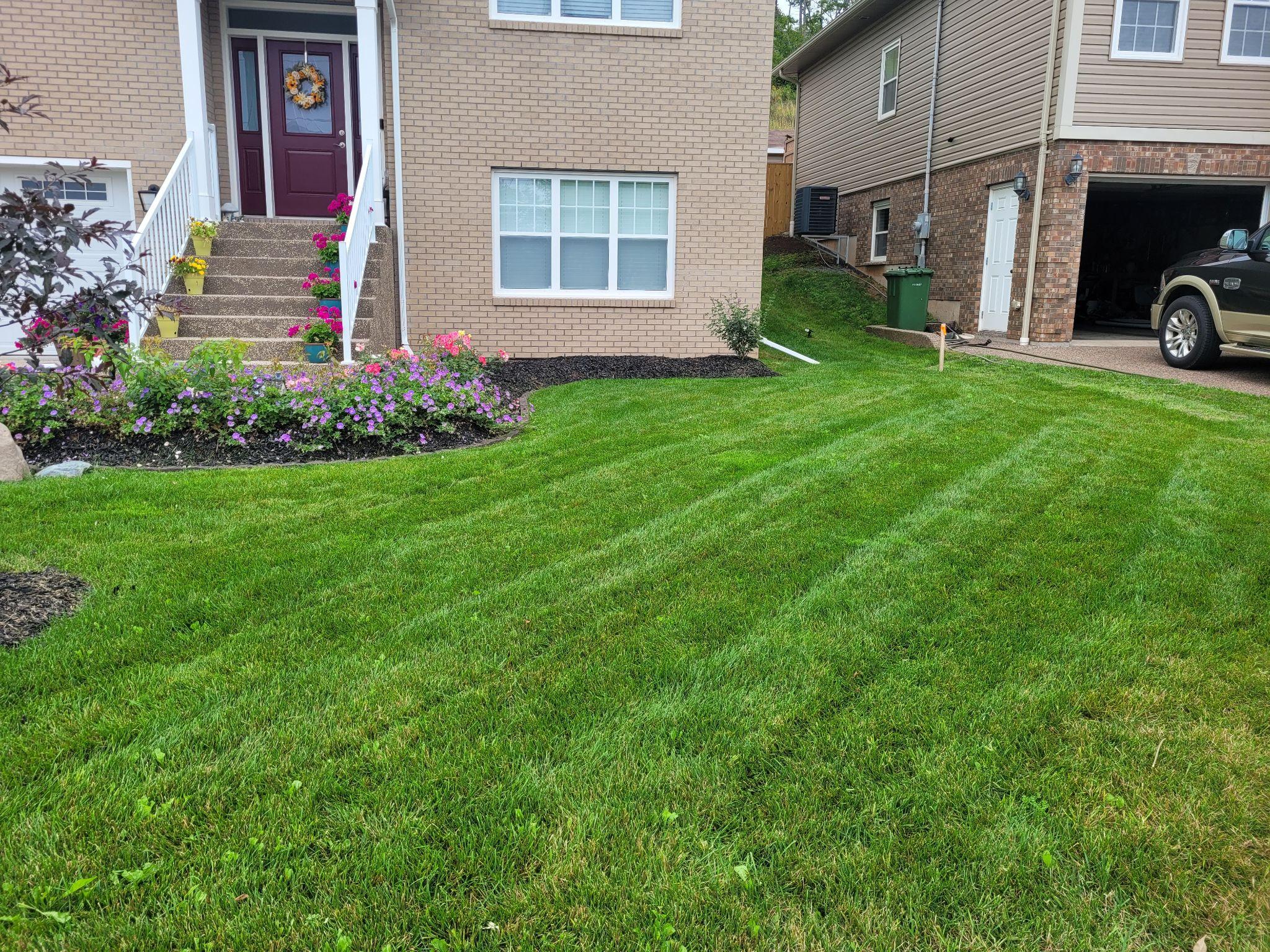
The one-third rule is simple but powerful: never cut more than one-third of the grass blade in a single mowing. This one-third rule mowing method keeps your lawn healthy and prevents shock to the grass.
Cutting too much at once removes too much of the plant’s food-producing structure, causing stress and browning. By sticking to this rule, you avoid scalping and encourage thicker growth. It also allows your clippings to act as natural mulch, breaking down and returning nutrients to the soil.
This method also improves lawn appearance. A consistent, shorter trim looks even and avoids visible scalping marks or uneven patches. The one-third rule helps your lawn bounce back quickly and resist weeds and disease. If you follow this approach, you may need to mow more often, but each cut will be easier and better for your grass.
Should You Mow Wet Grass?
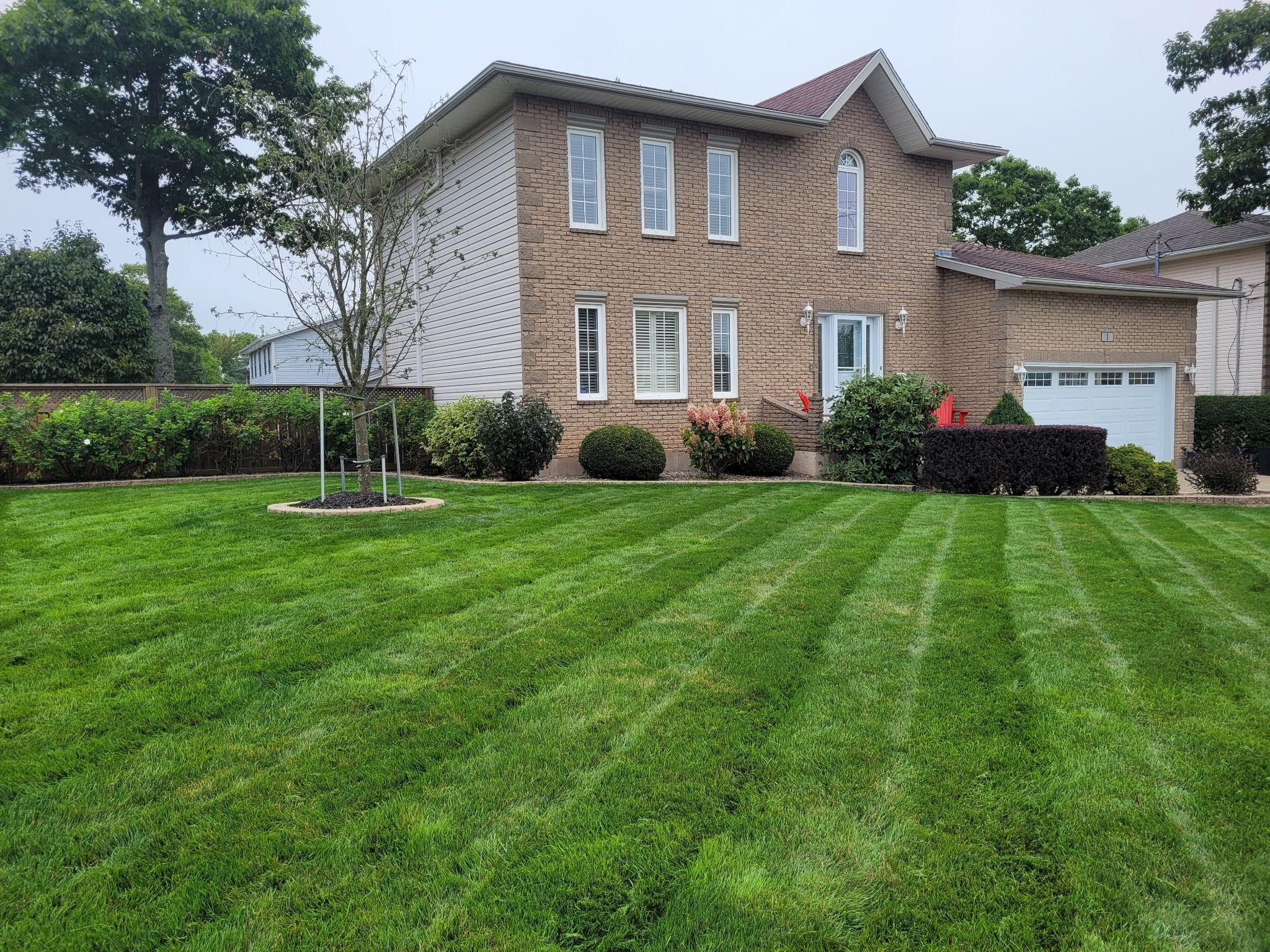
Should you mow wet grass? In most cases, no. Mowing the lawn when it is wet can lead to clumping, uneven cuts, and soil compaction. It’s also tougher on your mower and increases the chance of slipping or clogging the blade.
Grass cut while wet often bends instead of standing upright, which results in missed sections and a messy finish. Wet clippings can clump and smother parts of your lawn, potentially leading to bare patches or fungal issues.
If you absolutely must mow wet grass (such as during a prolonged period of wet weather), raise your mower deck height slightly and proceed slowly. Make sure your mower blade is sharp. Bagging is recommended in these cases to avoid clumps. However, when possible, wait for dry conditions to ensure a clean, even cut and protect your equipment.
Mulching vs Bagging Grass Clippings: What’s Better for Your Yard
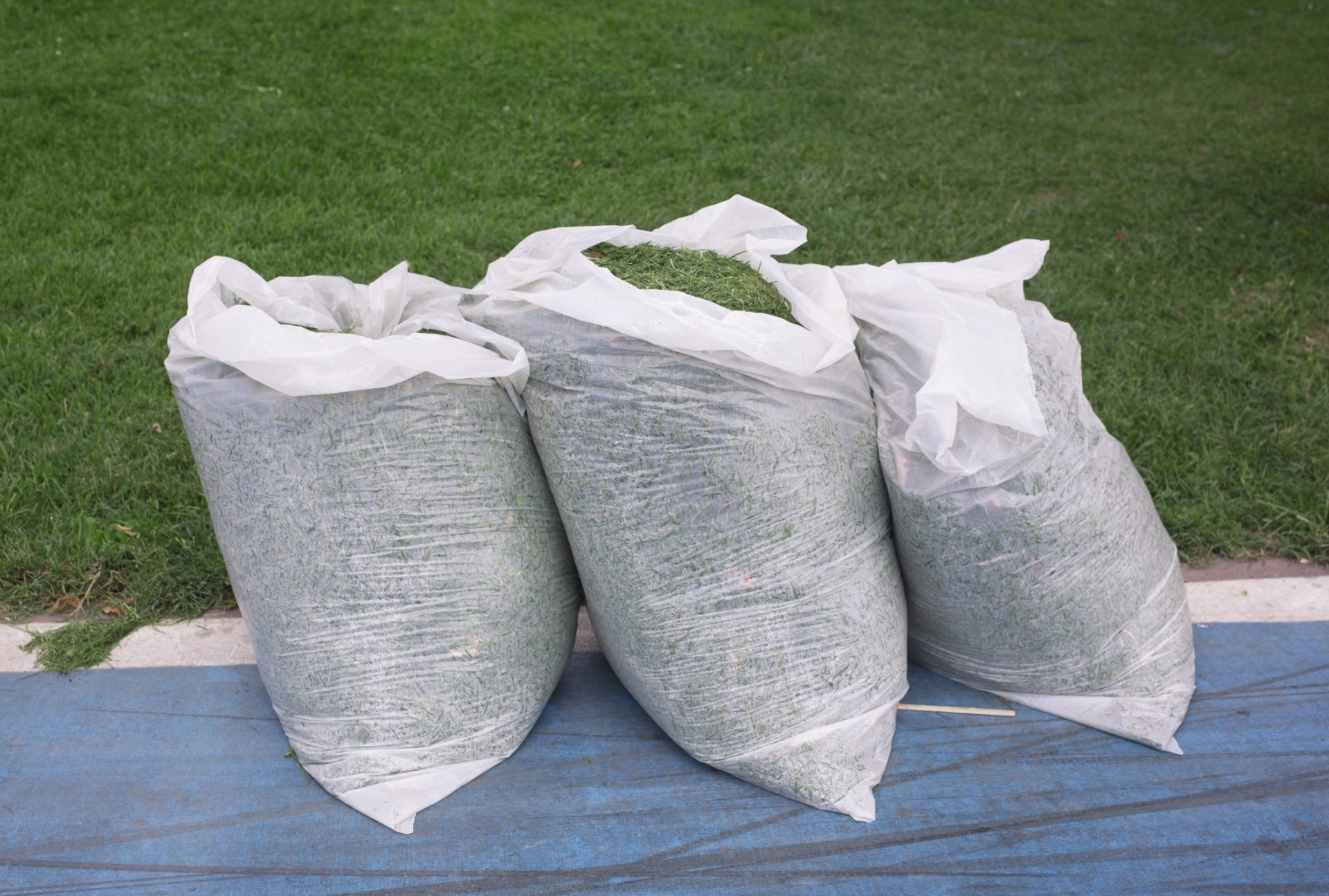
One of the most common mowing decisions homeowners face is whether to mulch or bag their grass clippings. This choice can impact your lawn’s health, mowing time, and yard appearance.
When considering how often you should mow your lawn, it’s helpful to understand the pros and cons of mulching versus bagging grass clippings.
Mulching
Mulching involves finely chopping the clippings and allowing them to decompose and return to the lawn.
Benefits of Mulching:
- Clippings break down quickly and return nutrients, especially nitrogen, to the soil.
- Helps the soil retain moisture and can suppress weed growth.
- Saves time. No need to stop and empty a bag.
- Reduces the amount of yard waste that needs to be disposed of.
Mulching works best when you mow frequently and the clippings are short and dry. This keeps them from clumping and smothering the lawn.
Bagging Grass Clippings
Bagging involves collecting the clippings in a mower attachment and disposing of them afterward. While it requires more effort, bagging can be useful in certain scenarios.
Bagging May Be Better If:
- Your grass has grown too tall from a skipped mowing session.
- The lawn has fungus, weeds, or disease you want to prevent from spreading.
- You want a cleaner, neater appearance for an event or showing.
Keep in mind that bagging also removes nutrients, which may increase your fertilizer needs.
What’s the Best Choice for You?
The answer depends on the condition of your lawn and your mowing routine. If you stick to the one-third rule and mow on schedule, mulching vs bagging grass clippings often tips in favour of mulching. But when your lawn gets ahead of you or has problem areas, bagging is the smarter short-term fix.
Most homeowners find that a flexible approach (mulch when you can, bag when you must) delivers the best balance between lawn health and convenience.
Mower Deck Height Settings: How High Is Too High?
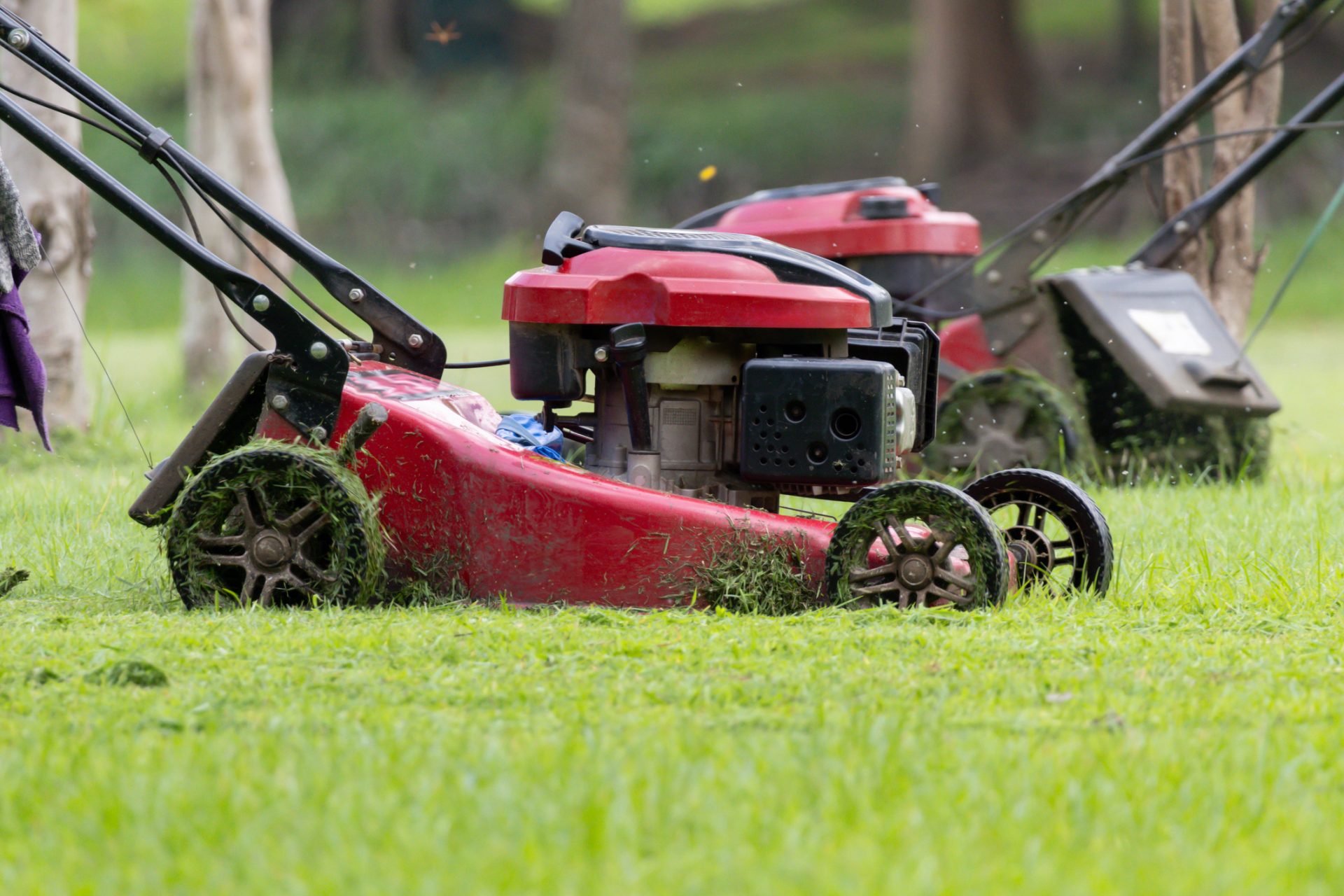
Your mower deck height settings control how much grass is removed. Adjusting your height correctly is just as important as mowing the lawn regularly. Cut too low, and you risk scalping the lawn and stressing the grass. Cut too high, and the lawn might look uneven or floppy.
So, how high is too high? It depends on your grass. Cool-season grasses, such as fescue, typically perform well at mowing heights of 2.5 to 3.5 inches. Warm-season types, such as Bermudagrass, prefer 1.5 to 2.5 inches of water. Going too far outside that range can cause problems, such as disease or thinning.
A higher setting can be helpful during summer, when longer blades shade the soil and retain moisture. If your lawn is stressed by drought or heat, raising the mower deck can help protect it.
If you’re not sure, start higher and lower it gradually. Ensure your mower blades are sharp to achieve a clean cut, especially if you frequently adjust the height.
How Your Two-Day Service Window Keeps Your Lawn on Schedule
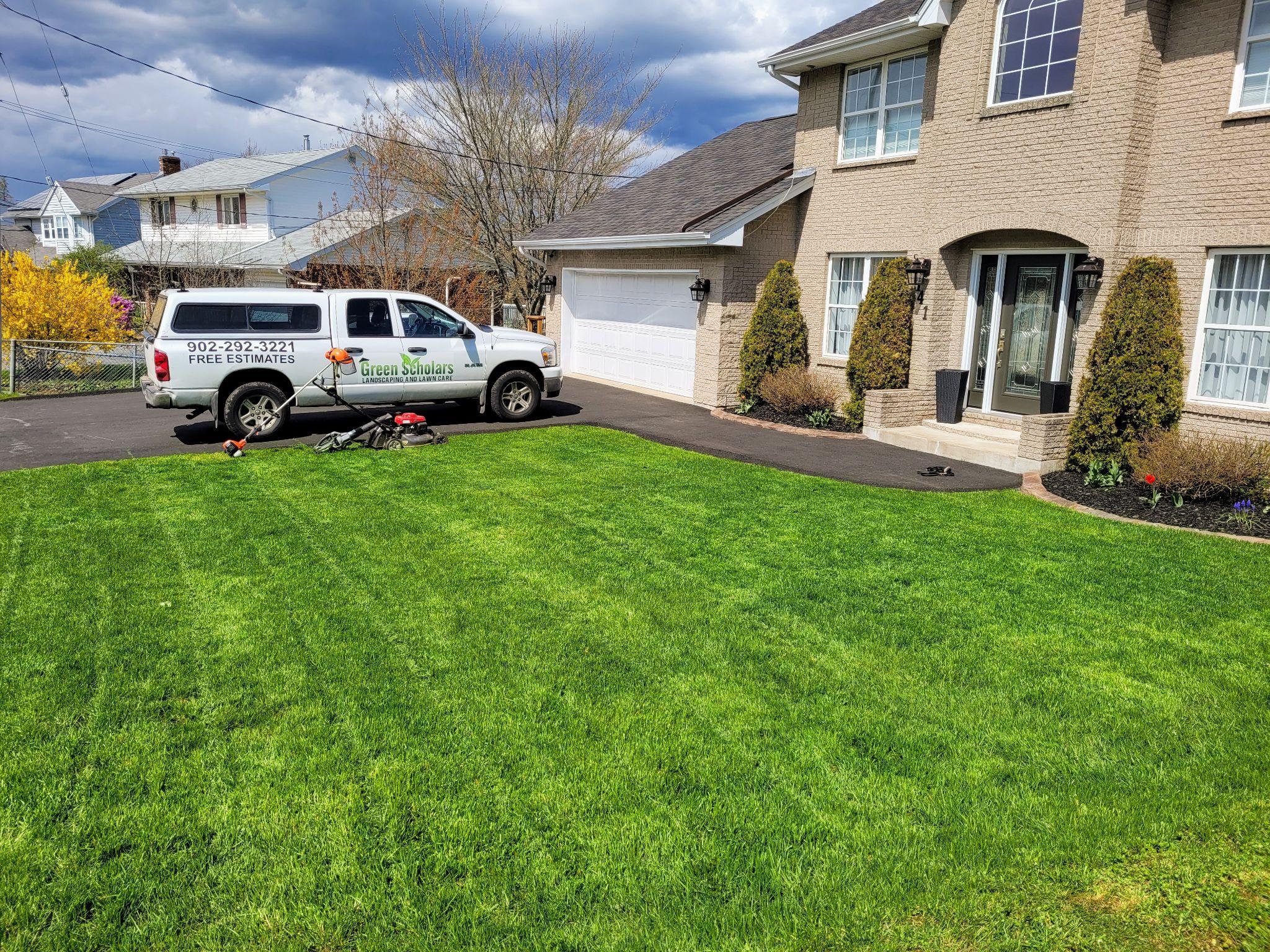
Timing matters. You could know exactly how often you should mow your lawn, but if your contractor shows up late or not at all, your schedule goes out the window. That’s why a guaranteed two-day mowing window can make all the difference.
When your grass is growing fast, you can’t afford to wait around. A consistent mowing routine keeps the lawn healthy, reduces thatch buildup, and helps avoid clumping. Green Scholars Landscaping & Lawn Care sticks to a dependable two-day service window. That means if your mow is scheduled, it will happen within two days with no chasing, and no guesswork.
Some companies still operate with pen-and-paper scheduling, which leads to missed appointments and overgrown grass. Green Scholars uses modern scheduling and sends quotes through Jobber, so you know exactly when to expect service. This helps you maintain the one-third rule and keeps your lawn looking fresh.
With consistency built in, you can stick to the right mowing schedule and avoid last-minute decisions that could harm your grass.
When to Call for Help if You Miss a Cut
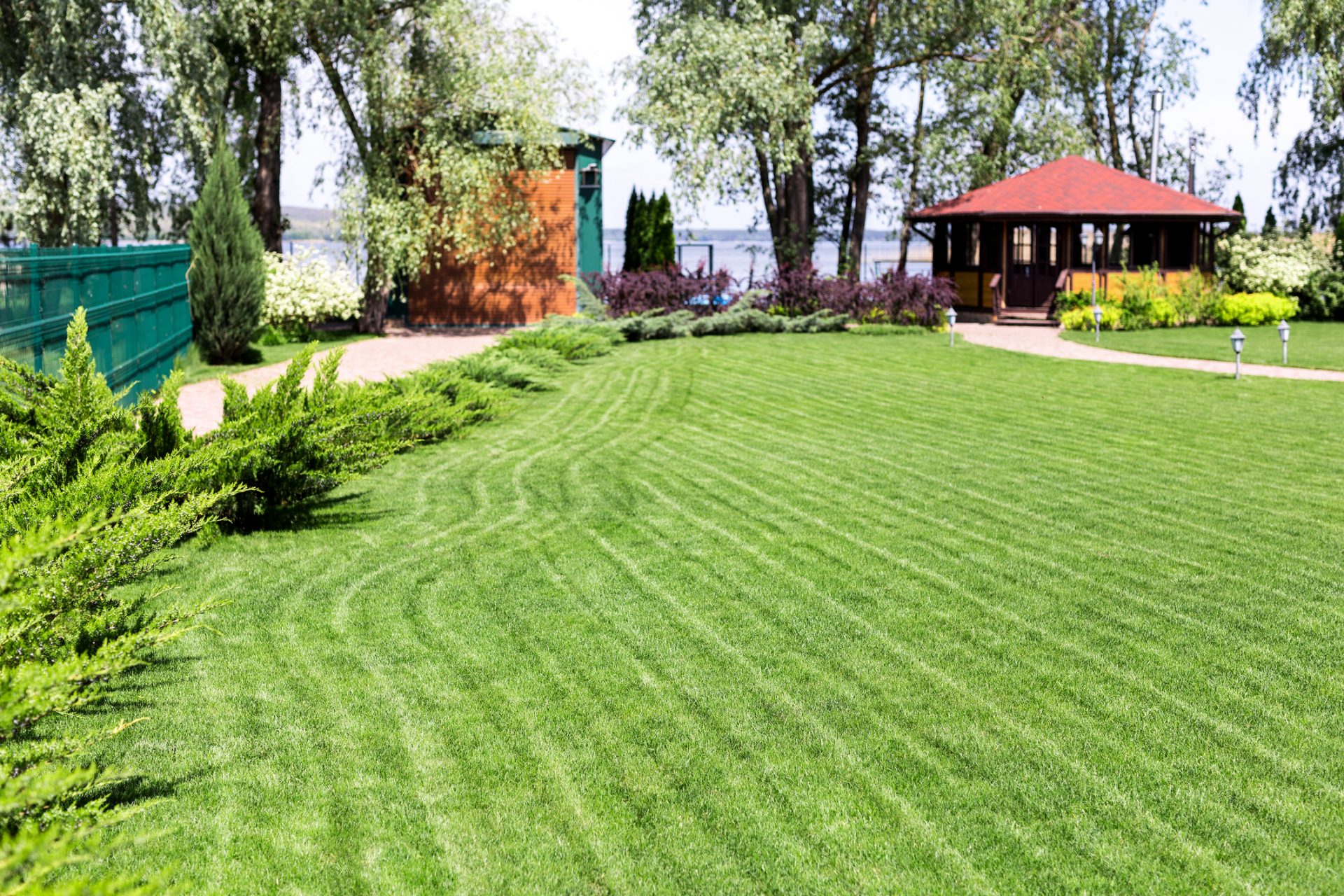
Sometimes life gets in the way. Maybe it rained all week, or you were out of town. If your lawn has grown too tall and you missed your regular mowing, it might be time to call for help.
Trying to cut long grass yourself can be a challenging task. You may need to mow in stages, and your mower could struggle. You may leave behind thick clumps or damage the grass.
A professional team can quickly and safely restore your lawn to its ideal height. They’ll adjust the mower height and bag clippings if needed. If you contact Green Scholars, you’ll speak directly with someone and get scheduled quickly. And if anything’s off, they’ll fix it the same day.
Once your lawn is back in shape, sticking to a regular mowing schedule becomes easier. Sometimes, a one-time call can lead to a long-term solution, helping you maintain your yard’s appearance without stress.
Keeping Your Lawn Healthy with Consistent Care
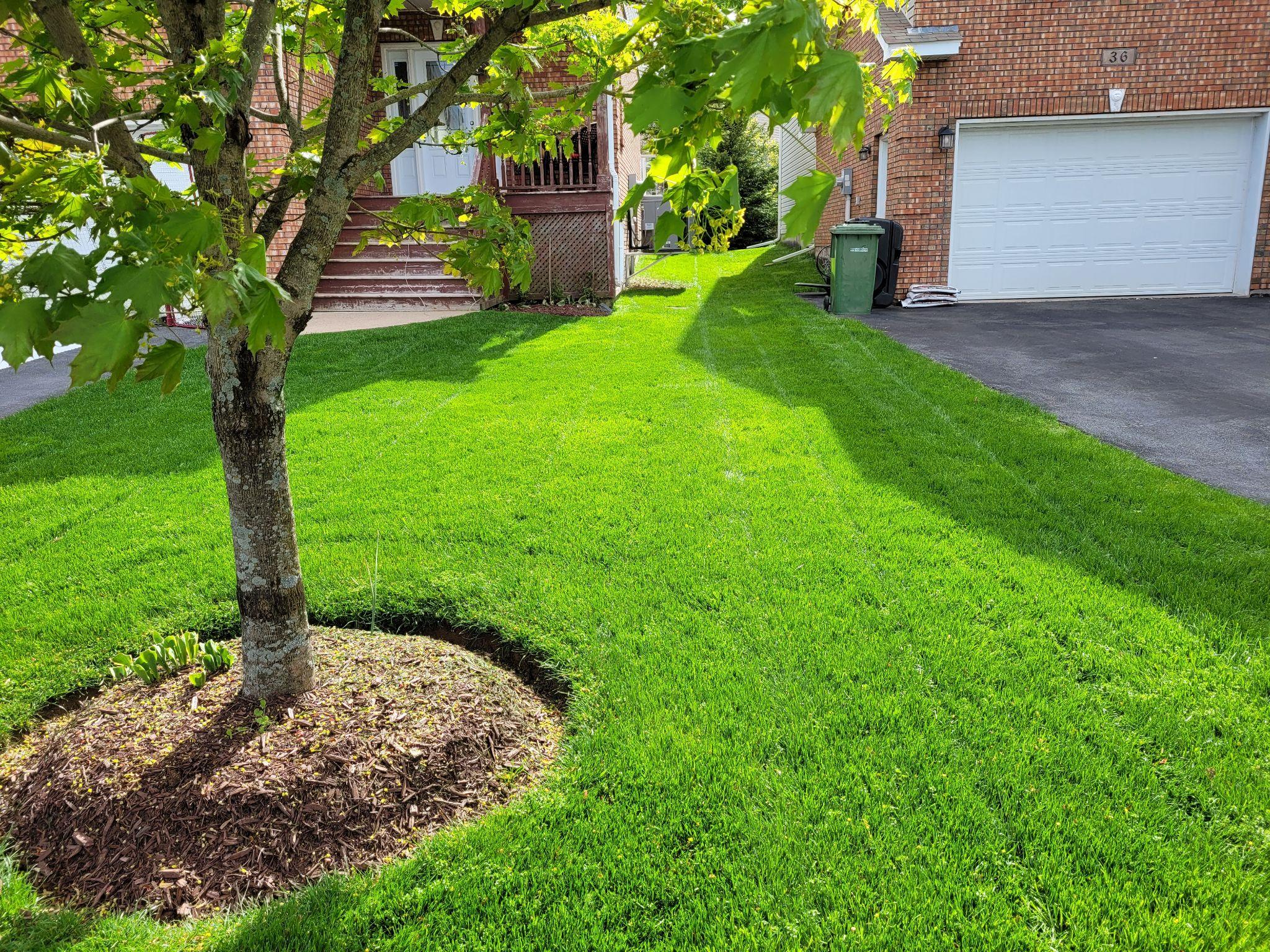
Green Scholars Landscaping & Lawn Care understands that reliable mowing is one of the simplest ways to maintain a healthy yard. When you understand how often you should mow your lawn and how high to cut it, everything else falls into place. We’ve seen firsthand how proper mowing, paired with the right timing and technique, can prevent damage, reduce weeds, and make your outdoor space more enjoyable.
We built our service with homeowners like you in mind. You get quick answers when you call. You get your mowing price right on the phone. And you never have to wonder when our team will arrive; our professionals adhere to a guaranteed two-day window. If anything’s off, we make it right the same day. Our crews are paid for performance, and every job is thoroughly inspected for quality, ensuring your lawn always looks its best.
If you’re ready for dependable mowing without the hassle, we’re here to help. Request a quote today, and let’s get your lawn on a schedule that works for you.
Summary
Maintaining a healthy lawn starts with understanding how often you should mow it. This guide walks you through how often you should mow your lawn based on grass type, setting the correct deck height, and deciding when it’s safe to mow wet grass. It also explains the benefits of mulching versus bagging clippings, and what to do if you fall behind on your schedule. Whether you’re cutting your lawn yourself or using a service, consistent mowing helps your yard look better and stay healthier. With the right habits, you’ll achieve reliable results and a cleaner, more manageable lawn care routine.
Tags: