
Landscape and Lawn Maintenance in Halifax: Your Complete Guide to a Clean, Healthy Yard
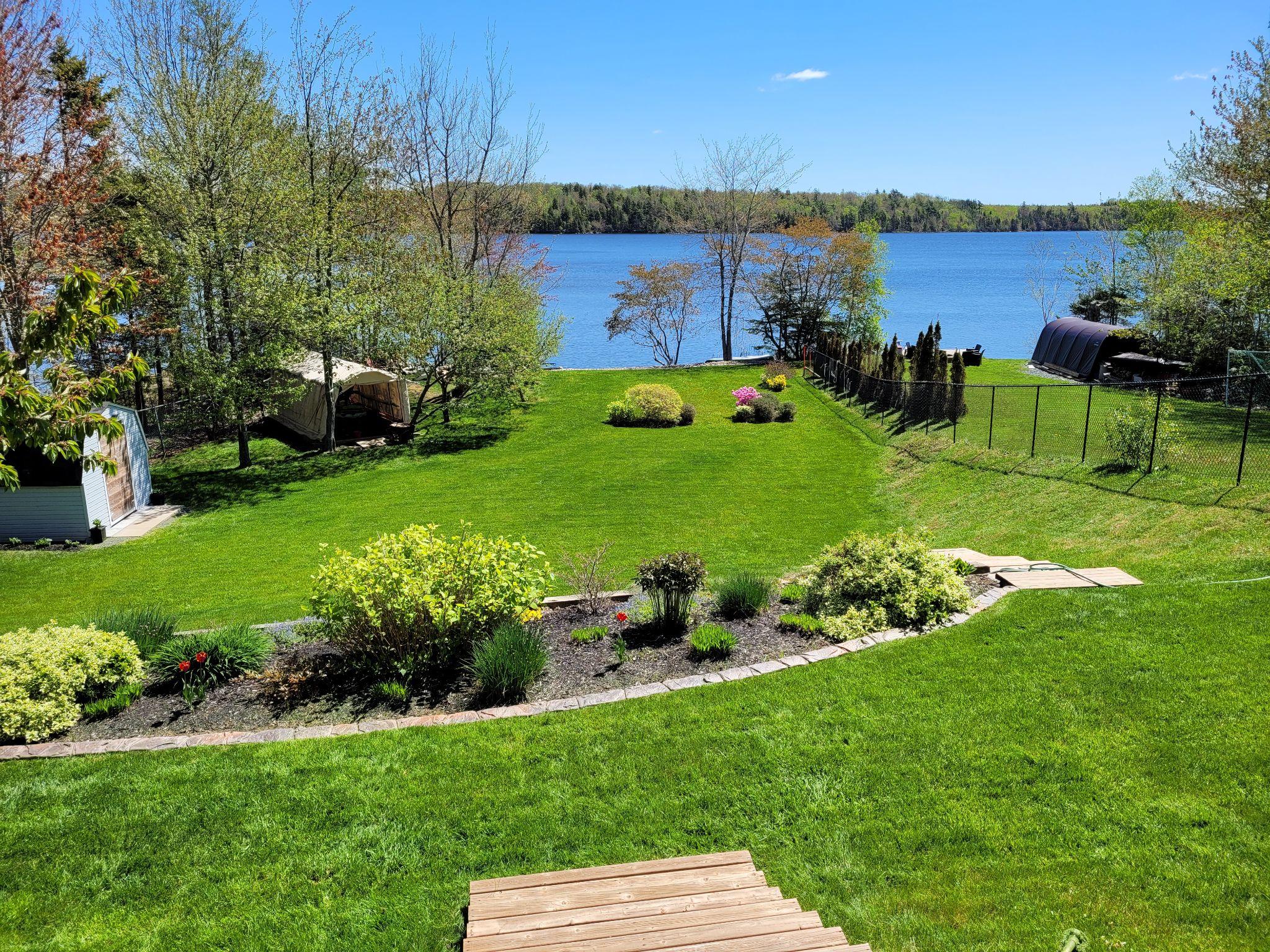
Have you ever wondered why maintaining your yard feels like a full-time job? You mow, water, and weed, yet your lawn still browns, the beds stay messy, and nothing seems to grow quite right. Maybe you’ve hired help before, only to be left chasing updates or waiting for someone who never shows up. It’s frustrating, especially when all you want is a yard that looks clean and cared for without adding to your stress.
When landscape and lawn maintenance become unpredictable or overwhelming, it’s easy to let it slide. However, the longer you wait, the more difficult it becomes to get things back on track. Overgrown grass, spreading weeds, and unhealthy soil can quickly take over, affecting not just your curb appeal but your peace of mind.
The good news? You don’t have to settle for subpar service or do it all yourself. With a dependable plan or a professional team you can trust, maintaining a healthy, attractive yard becomes manageable. This guide walks you through practical steps to maintain your outdoor space, season after season. Whether you’re doing it solo or choosing a crew that shows up on time and gets it right the first time, your yard can be simple to manage and easy to enjoy.
What Does Professional Landscape & Lawn Maintenance Include?
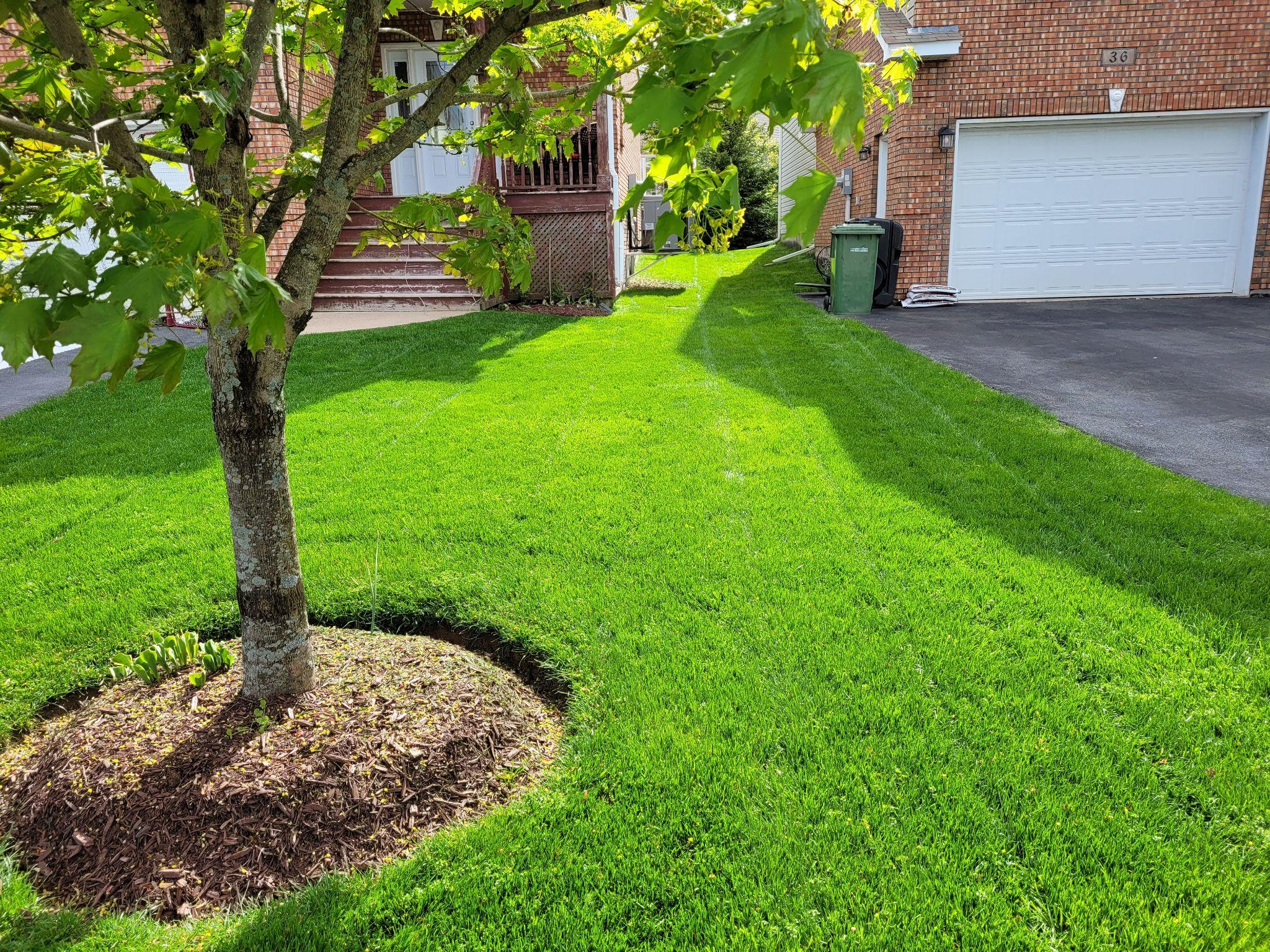
If you’re considering hiring help, you might wonder what professional landscape and lawn maintenance actually covers.
Typically, a full maintenance package for your landscape and lawn will include the following:
- Consistent Lawn Mowing and Trimming: Your grass is cut to the proper height on a regular schedule, and the crew trims the edges around fences, gardens, and walkways.
- Edging and Border Care: Professionals edge along sidewalks, driveways, and garden beds to give your lawn that crisp, clean line.
- Garden Bed Upkeep: Maintenance services typically include weeding your flower beds, refreshing the mulch, and pruning your shrubs or ornamental plants.
- Fertilizing and Weed Control: To promote healthy grass growth, professionals often apply fertilizer at the right times of year. They also handle weed control on the lawn (and sometimes in garden beds), using safe treatments to prevent invasive weeds from overtaking your yard.
- Spring and Fall Clean-Ups: A professional maintenance routine usually includes seasonal clean-up visits. In spring, they might clear leftover winter debris, power rake or dethatch the lawn, and prepare planting beds. In fall, services often include raking leaves, cutting back perennials, and cleaning up fallen twigs.
- Power Washing Patios and Driveways: Thoroughly remove dirt, grime, moss, and other buildup to restore the look and prolong the life of exterior hard surfaces.
How Often Should You Mow Your Lawn and Why Does It Matter?
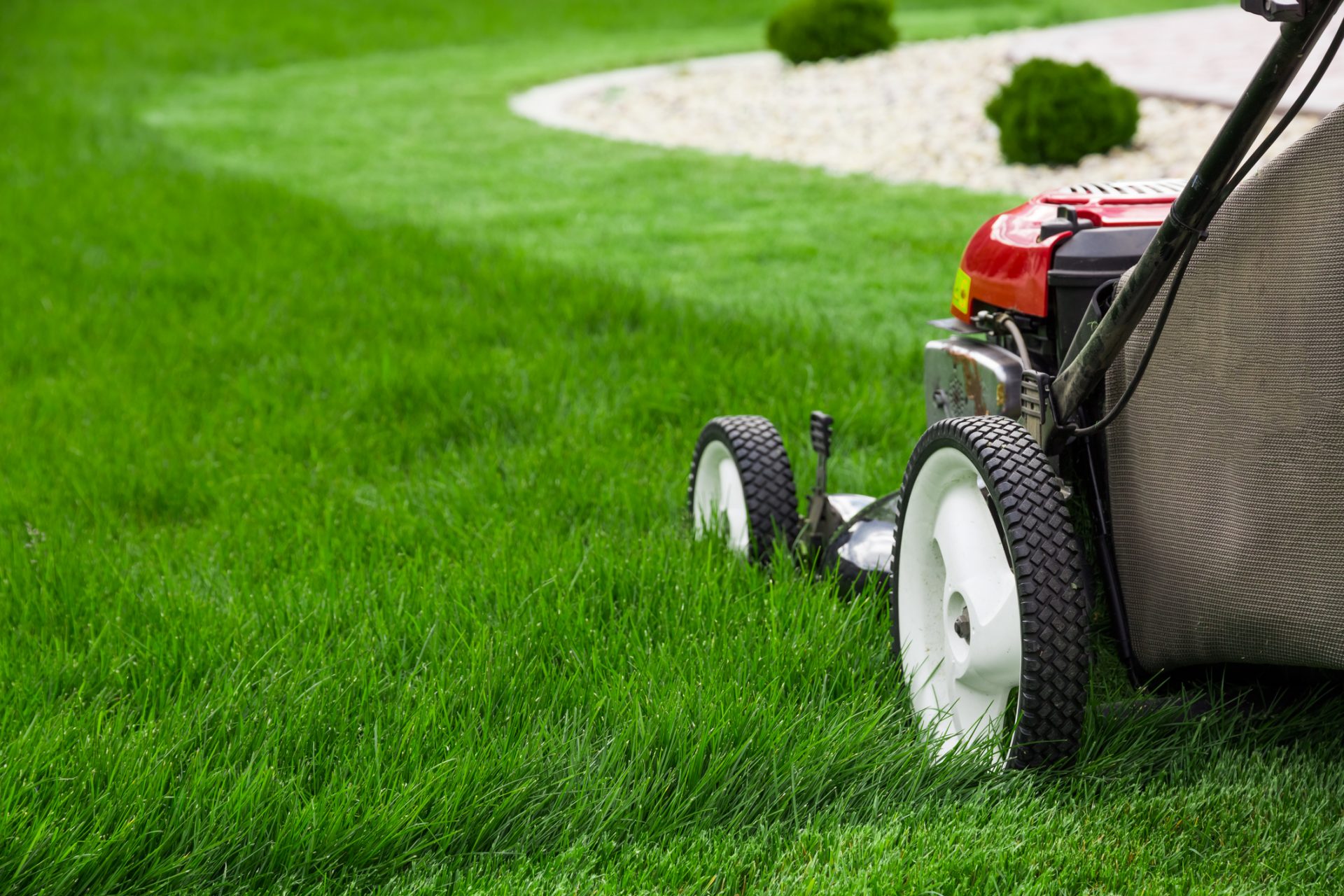
When it comes to landscape and lawn maintenance, mowing is the task you’ll do most frequently.
Mowing your lawn regularly keeps the grass at an optimal height. So, how often is ideal? Here are a few guidelines to consider for how often you should mow your lawn from Spring to Fall.
The reason mowing frequency matters for grass health comes down to consistency and proper technique. By following a routine, you avoid the extremes: neither letting the lawn turn into a tall meadow nor shaving it down too short. Consistent mowing also helps distribute clippings evenly, which can act as natural fertilizer for your lawn.
Remember to keep your mower blades sharp (dull blades tear grass, causing ragged, brown tips) and adjust your cutting height according to the type of grass. Most lawns thrive when kept around 2.5 to 3 inches tall, but some warm-season grasses prefer slightly shorter. Ultimately, your landscape and lawn maintenance plan should make mowing a regular habit. Your grass will be healthier for it, with stronger roots and fewer weeds, and you’ll always have a lawn that looks neat and well cared for.
How Do You Build a Lawn Maintenance Schedule That Fits Your Yard?
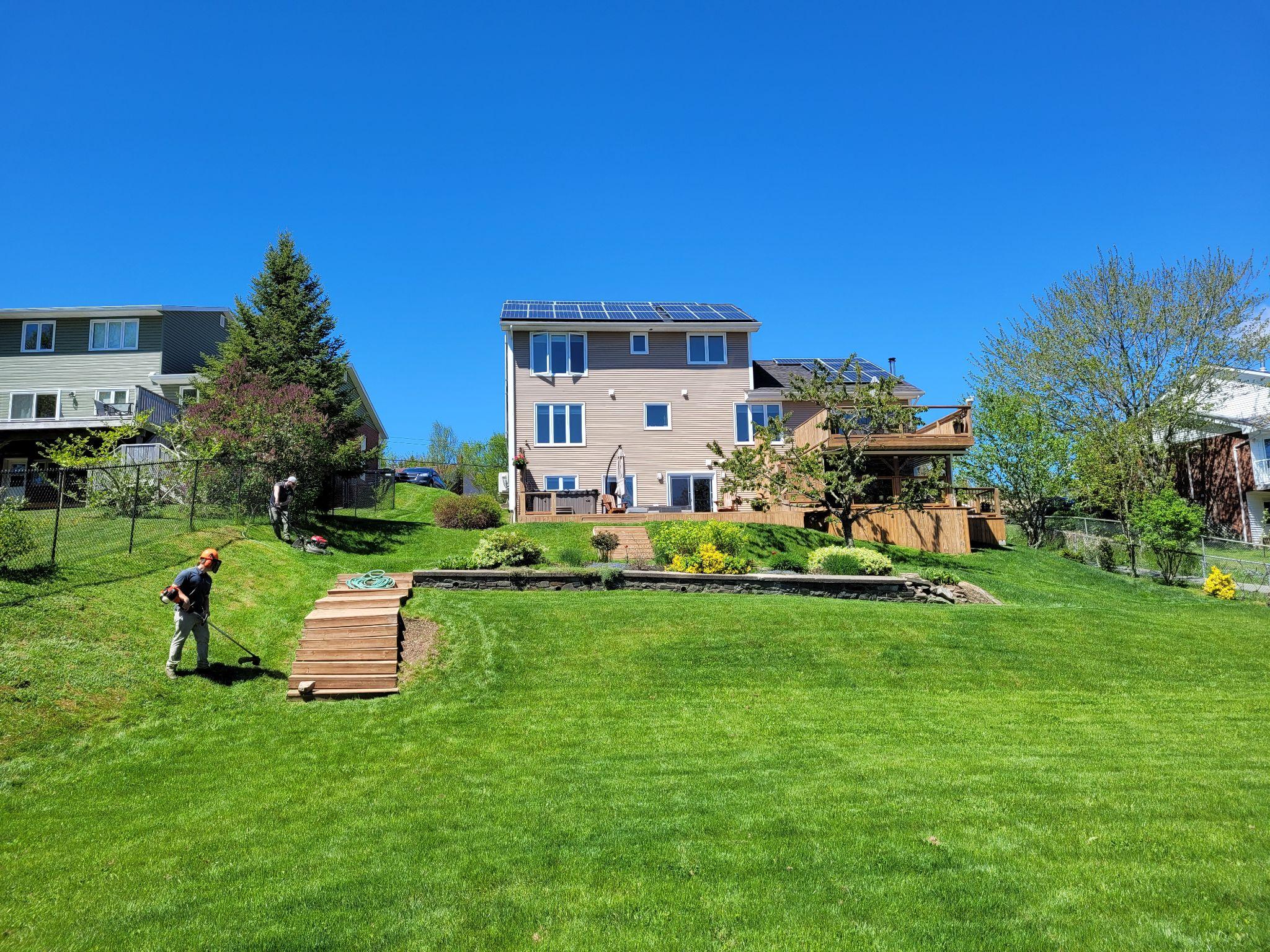
Every yard is a little different, which means a one-size-fits-all approach to maintenance might not work for you. Building a lawn maintenance schedule that fits your yard ensures that the right tasks happen at the right times.
Here’s how you can put together a maintenance plan tailored to your yard:
Take Stock of Your Yard’s Needs
Start by listing the maintenance tasks your property requires. Common tasks include mowing, edging, watering, fertilizing, weeding, trimming shrubs, and cleaning up leaves or debris.
Consider your specific landscape features: Do you have a lot of trees (meaning heavy leaf drop in fall)? Flower beds that need regular weeding or deadheading? A lawn that needs aeration due to heavy foot traffic? By understanding all the elements of your yard, you can include each in your lawn maintenance schedule.
Decide on Frequency for Each Task
Next, assign the frequency at which each task should be completed. For instance:
- Mowing might be weekly during growing season.
- Edging could be bi-weekly or monthly, depending on how quickly grass encroaches onto walkways or beds.
- Weeding flower beds might be a weekly quick check, with a deeper clean-up monthly.
- Fertilizing is typically performed a few times a year (e.g., early spring, late spring, late summer, and fall) as part of regular landscape and lawn maintenance for cool-season grasses.
- Watering is typically done as needed, based on the weather (aim for approximately 1 inch of rainfall per week for lawns, adjusting for natural rainfall).
- Trimming hedges or pruning trees could be seasonal (e.g., trimming in late winter or early spring before new growth, or after flowering for certain plants).
Align with the Seasons
A good schedule will vary through the year. In spring and fall, your landscape and lawn maintenance schedule will be packed with tasks such as seeding, aerating, and pruning plants, while mid-summer may focus on mowing and monitoring irrigation systems. Consider creating a seasonal checklist. For instance:
- Spring: Test the soil and fertilize, apply pre-emergent weed control, inspect your irrigation system, and start weekly mowing once the grass begins growing.
- Summer: Mow regularly as part of your weekly routine, and check if your lawn needs additional watering during dry spells. Treat any weeds or pests promptly.
- Fall: Plan for aeration and overseeding if your lawn needs rejuvenation. Rake or mulch fallen leaves weekly. Apply a fall fertilizer to strengthen grass roots for winter.
- Winter: In many regions, winter is a quiet period for lawn care. However, you can schedule winter tasks like servicing your mower, sharpening blades, and planning any landscape projects for spring.
Be Realistic & Flexible
Your lawn maintenance schedule should fit your lifestyle too. If you’re doing it yourself, decide on a specific day of the week to be “mow day” and stick with it so it becomes a habit. If a weekend getaway or bad weather throws off your routine, it’s okay, just pick back up as soon as you can.
The key is consistency over the long term. And if you use a professional landscape and lawn maintenance service, they will often stick to a consistent schedule (for example, visiting your property on the same day each week for mowing).
Use Reminders or Professional Help
Many homeowners find it helpful to set reminders on their phone or calendar for infrequent tasks, such as fertilizing or pruning. Alternatively, working with a professional service can simplify this whole process; they can create and follow a schedule for you.
A reliable company will even provide you with a guaranteed window (such as the two-day service window we’ll discuss later) so you know when to expect them each visit. This takes the burden off your shoulders; you get a well-maintained yard without having to constantly remember what to do next.
How Can Garden Bed Installation Refresh Your Outdoor Space?
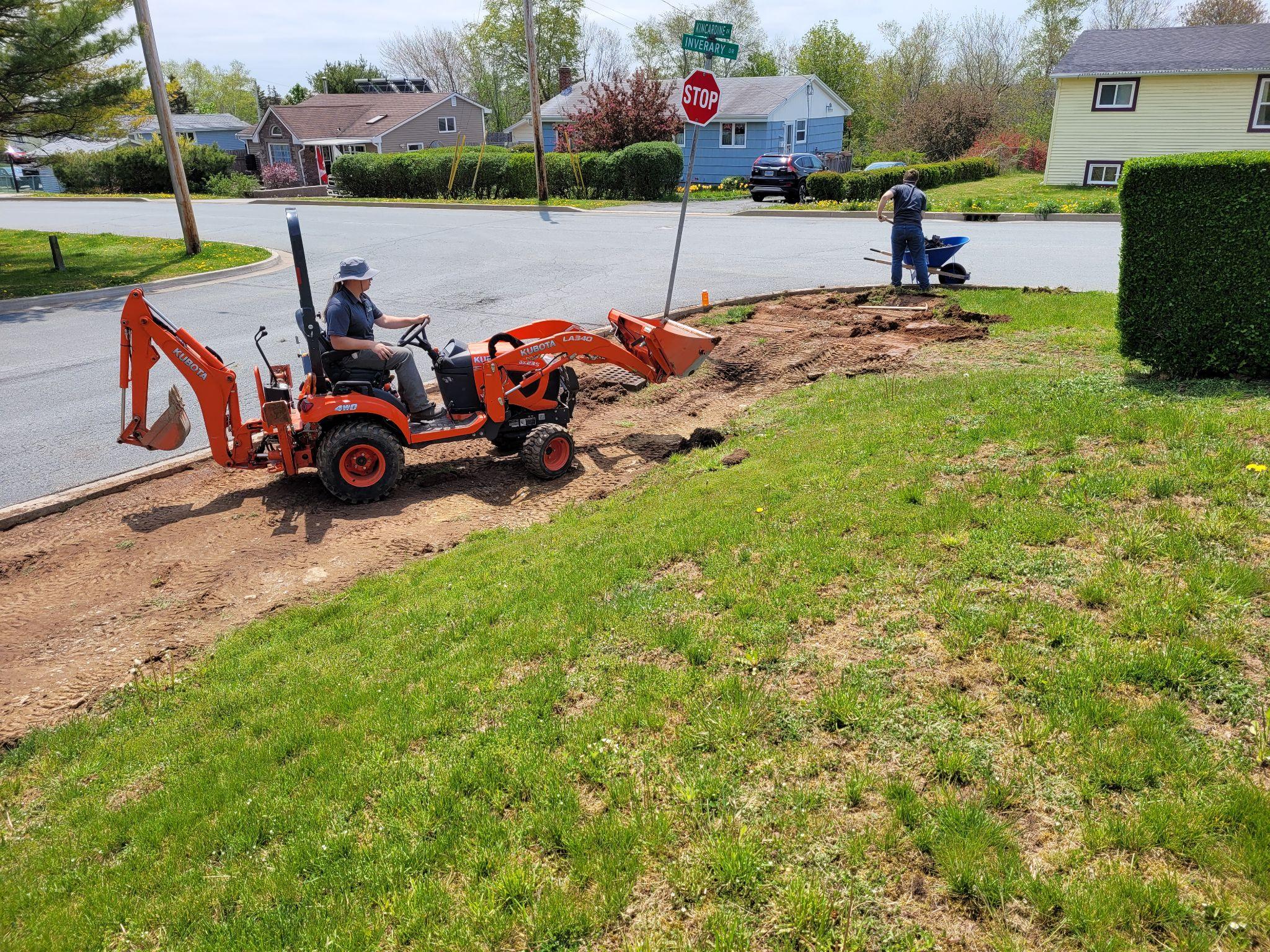
Perhaps your yard feels plain or has areas where grass won’t grow. A new garden bed installation can add structure, colour, and reduce overall maintenance. Garden beds break up large lawn areas, introduce visual interest, and offer a solution for tough spots with poor soil or shade. Replacing grass with plants or mulch can also reduce the need for mowing and watering.
The process begins with planning: choosing a location, shape, and plants that are suited to the light conditions. Next, the area is cleared, the soil is improved with compost, and plants are arranged to maintain long-lasting appeal. Edging defines the space and prevents grass from creeping in, while mulch helps lock in moisture and reduce weeds.
Irrigation may be added or adjusted to help new plants establish. Once in place, garden beds are easy to maintain and quickly enhance your yard’s charm. You’ll spend less time mowing and more time enjoying the vibrant, well-designed space.
What Are Some Garden Bed Maintenance Tips for Healthy Soil & Long-Lasting Colour?
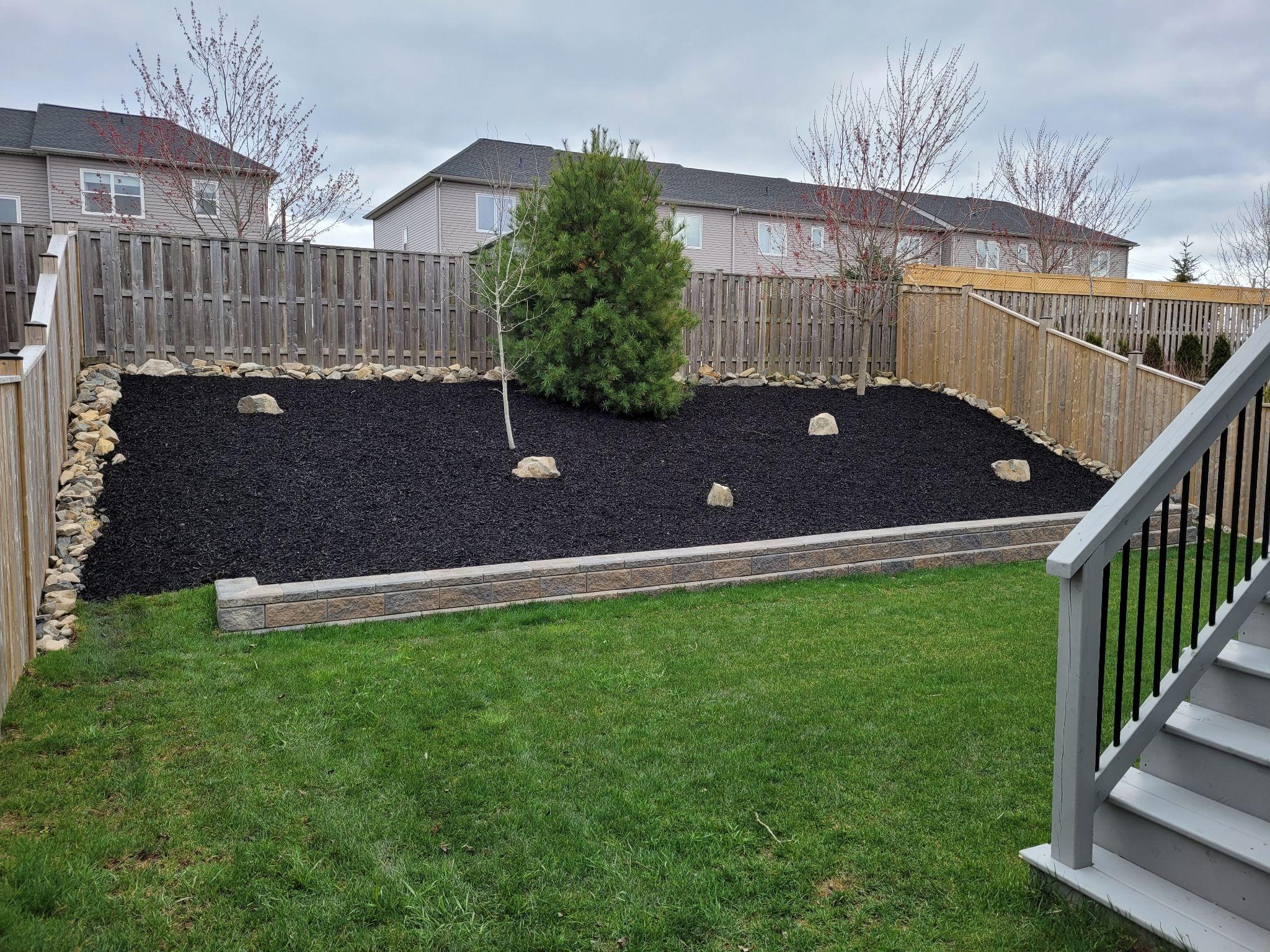
Once you have beautiful garden beds in place, the goal is to keep them thriving season after season. Garden beds can be low-maintenance if set up right, but they still benefit from regular care.
Here are some essential garden bed maintenance tips to ensure your soil stays healthy and your flowers keep blooming with long-lasting colour:
- Top up your mulch once a year, typically in spring. Over time, mulch breaks down (which is good for soil) or gets thin. Adding a fresh 2-3 inch layer of mulch on your garden beds each year helps retain soil moisture, suppress new weeds, and gives the bed a tidy look.
- It’s much easier to pull a few small weeds each week than to tackle a bed overrun with weeds after neglect. Make it a habit to glance over your beds for weeds whenever you mow or do other yard work.
- Proper watering keeps your garden beds healthy and colourful. Instead of shallow daily watering, water deeply but less often. This encourages plant roots to grow downwards, making them more drought-resistant.
- Garden beds often benefit from a nutrient boost periodically. One of the best ways to maintain healthy soil is to incorporate organic matter. Each spring or fall, you can gently mix in some compost around your plants. Compost enriches the soil, promotes the growth of beneficial microbes, and improves soil texture.
- Different plants have varying maintenance needs, but generally, shrubs should be pruned as needed and flowers should be deadheaded as needed. Deadheading means snipping off spent blossoms (particularly for annuals and many perennials). For pruning, trim back any overgrown or dead branches on shrubs to maintain their shape and health.
- Take a quick look at your plants when you’re in the garden. Are the leaves looking chewed (could be insects) or spotted (perhaps a fungus)? Catching problems early means you can treat them before they spread.
When Does Sod Installation Process Make Sense & What Can You Expect?
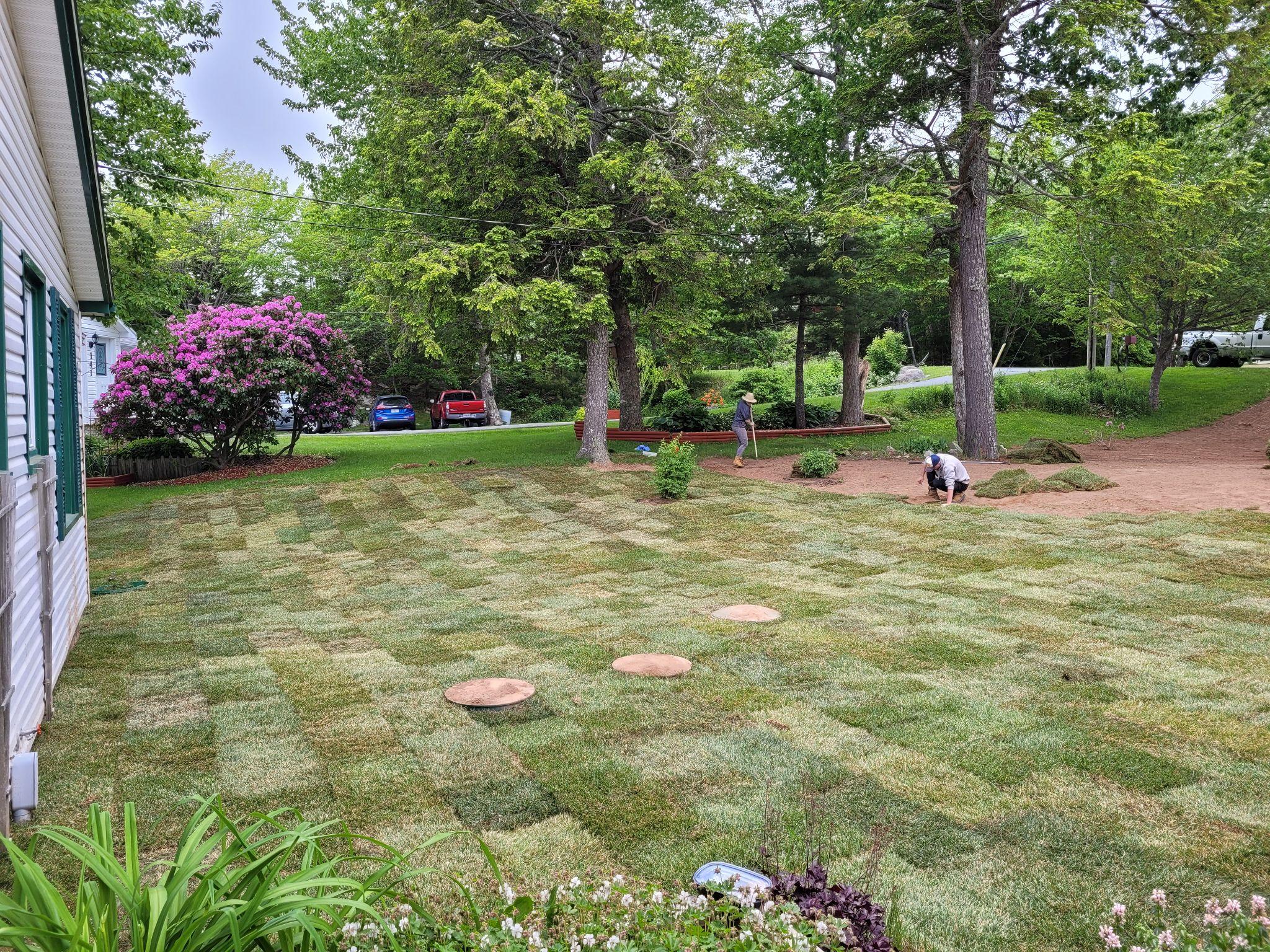
Sod installation is a practical solution for achieving a lush, even lawn without the lengthy wait associated with seeding. It makes the most sense if you need a quick improvement. Perhaps your lawn is full of bare patches, your grass never seems to grow evenly, or you’re preparing your property for a special occasion or real estate sale. It’s also a good option if past attempts with seeding have failed due to soil quality, slope, shade, or poor germination conditions. Unlike seed, sod gives you a finished-looking lawn in a single day, offering both instant results and long-term benefits.
The process starts with site preparation. Existing grass and weeds are removed, the soil is leveled, and a layer of fresh topsoil may be added to support root growth. Sod is then rolled out in staggered rows, ensuring seams are tight and the grass is evenly placed. Once the sod is in place, it’s watered deeply to help the roots start bonding with the soil below.
The first two to three weeks after installation are crucial. Your new sod needs to be kept consistently moist to encourage root establishment. During this time, it’s best to limit foot traffic and avoid mowing until the grass is rooted. After that, you can resume normal mowing and watering routines, just as you would with any established lawn.
Sod is a low-maintenance option once it takes root and is a great choice for homeowners looking to save time and achieve a clean, healthy look quickly. With professional installation and proper care, you can enjoy a dense, uniform lawn that’s ready to use within weeks. If you want reliable results with minimal hassle, the sod installation process is a smart investment in your outdoor space.
How Do You Edge a Lawn for a Clean, Cared-For Look?
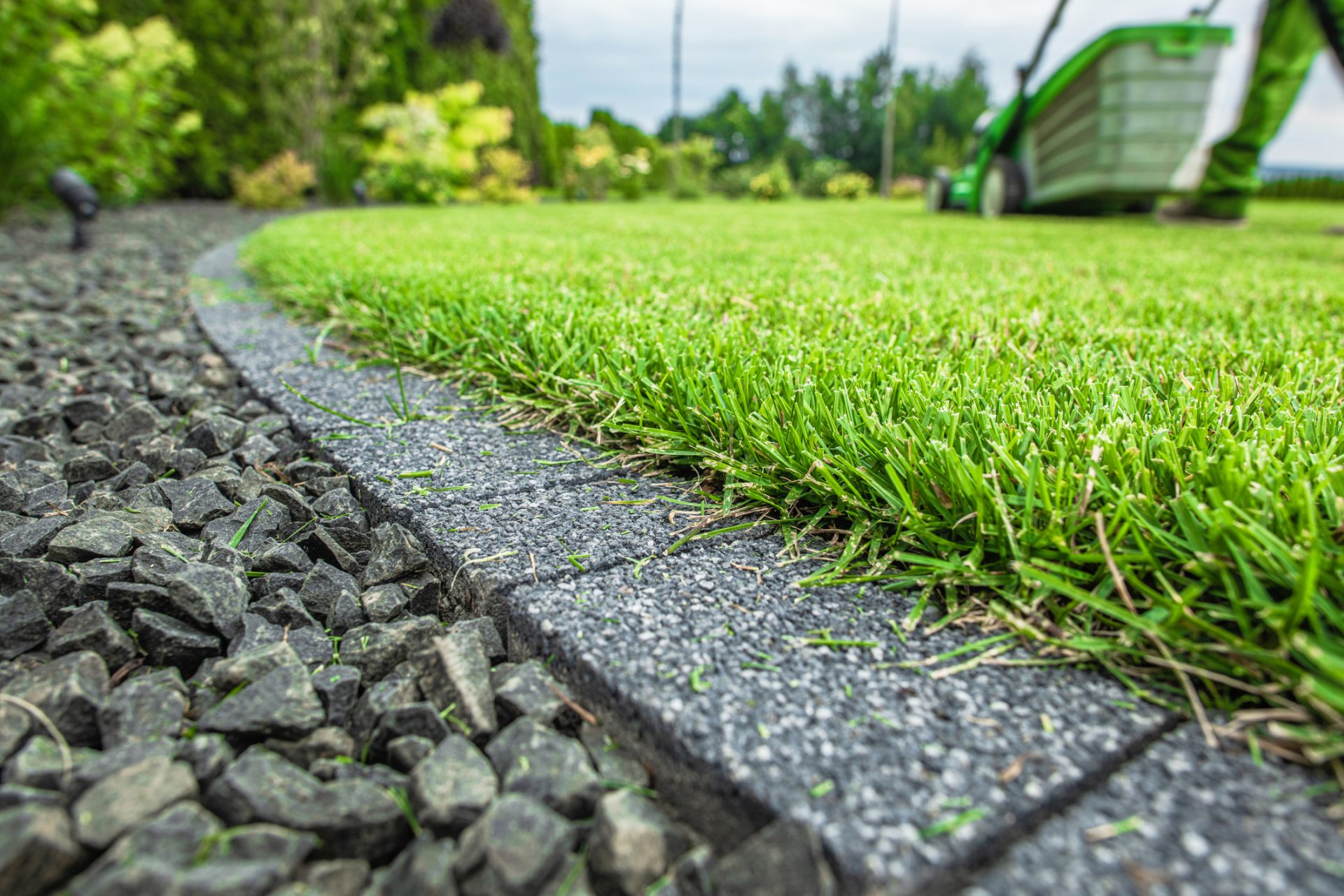
When you edge a lawn properly, you create a clean line between the grass and adjacent surfaces (like driveways, sidewalks, or garden beds).
Here’s a simple guide:
Step 1: Choose Your Edging Tool
You have a few options for edging tools. There are manual edging tools, like a half-moon edger (a sharp, semi-circular spade you step on to cut into the sod), or even a flat shovel can work in a pinch. Then there are power edgers, which are motorized tools that have a spinning blade or string that cuts a neat line. Some people also use a string trimmer (weed eater) held vertically to edge along hard surfaces. If you’re doing your own landscape and lawn maintenance on a small property, a manual edger is a cost-effective option that yields great results. For larger areas or for speed, a power edger or a trimmer attachment can save time.
Step 2: Mark the Edge Line
If you’re edging along a sidewalk or driveway, the path is already set for you, just follow the concrete edge. For garden beds or other areas without a guide, marking a line is helpful. You can use string stretched tight between stakes to mark a straight line, or a garden hose laid out to plan a curve. This way, you know exactly where to cut and your edge will look intentional and smooth. A gentle curve can be visually appealing for bed edges, but ensure it’s not wavy due to inconsistent cuts. Planning the line beforehand prevents a jagged or crooked appearance.
Step 3: Cut Vertically & Cleanly
Now it’s time to actually edge the lawn. If using a manual half-moon edger, position it straight down at the edge of the lawn where you want the cut to be made. Step down firmly to slice through the grass and a little into the soil, following your marked line. You’ll feel it cut the grassroots. Continue along the line, overlapping each cut slightly. If you’re using a power edger, carefully guide it so the blade runs right along the pavement or your marked edge. It will throw up a little soil as it cuts through. With a string trimmer, hold it so that the strings spin vertically and move slowly along the edge, being careful to maintain a consistent depth of cut. The goal in all cases is to create a vertical incision that cleanly separates the lawn from the surrounding area.
Step 4: Remove the Excess Sod
After making that cut, you’ll have a strip of grass and soil that’s been separated. At the edges of the garden bed, this appears as a narrow trench. Use a small shovel or your hands (with gloves) to pull away the sliced strip of sod and soil. This creates a small gap or trench line that visually defines the edge. Along the sidewalks, the power edger or trimmer likely kicked debris onto the pavement: go ahead and sweep it up or use a blower. You want to leave a clear division with grass on one side, bare edge or mulch on the other. The cleaner you remove the excess bits, the sharper the final look.
Step 5: Finishing Touches
Brush or blow off any soil from the grass surface and hard surfaces. If you have a garden bed, you might want to taper the soil slightly away from the edge so that mulch falls neatly in place. Stepping back, you should see a nice clean outline where the lawn ends. It gives that manicured look characteristic of professional landscape and lawn maintenance. If any spots look uneven, you can trim a bit more or straighten with handheld shears for grass.
Tips for Ongoing Edging Maintenance:
- It’s easiest to edge a lawn when the soil is slightly moist (not soaking mud, but not rock-hard dry). Moist soil cuts cleaner and you can extract the strips more easily.
- How often should you edge? Many homeowners edge every other mow or about once a month. If you notice grass creeping over sidewalks or blurring the border, it’s time to edge. Keeping up with it means less work each time.
- In addition to manual edging, some use permanent edging materials (like metal or plastic edging strips) along beds to keep grass out. Even with those, you often still trim the grass that grows up to that border. So edging by hand or tool remains an important part of lawn maintenance schedule for a crisp look.
- Always be cautious using power tools near roads or sidewalks – watch for people or pets passing by, as edgers can send small rocks or debris flying.
What Deck, Patio, & Fencing Options Can Enhance Your Yard?
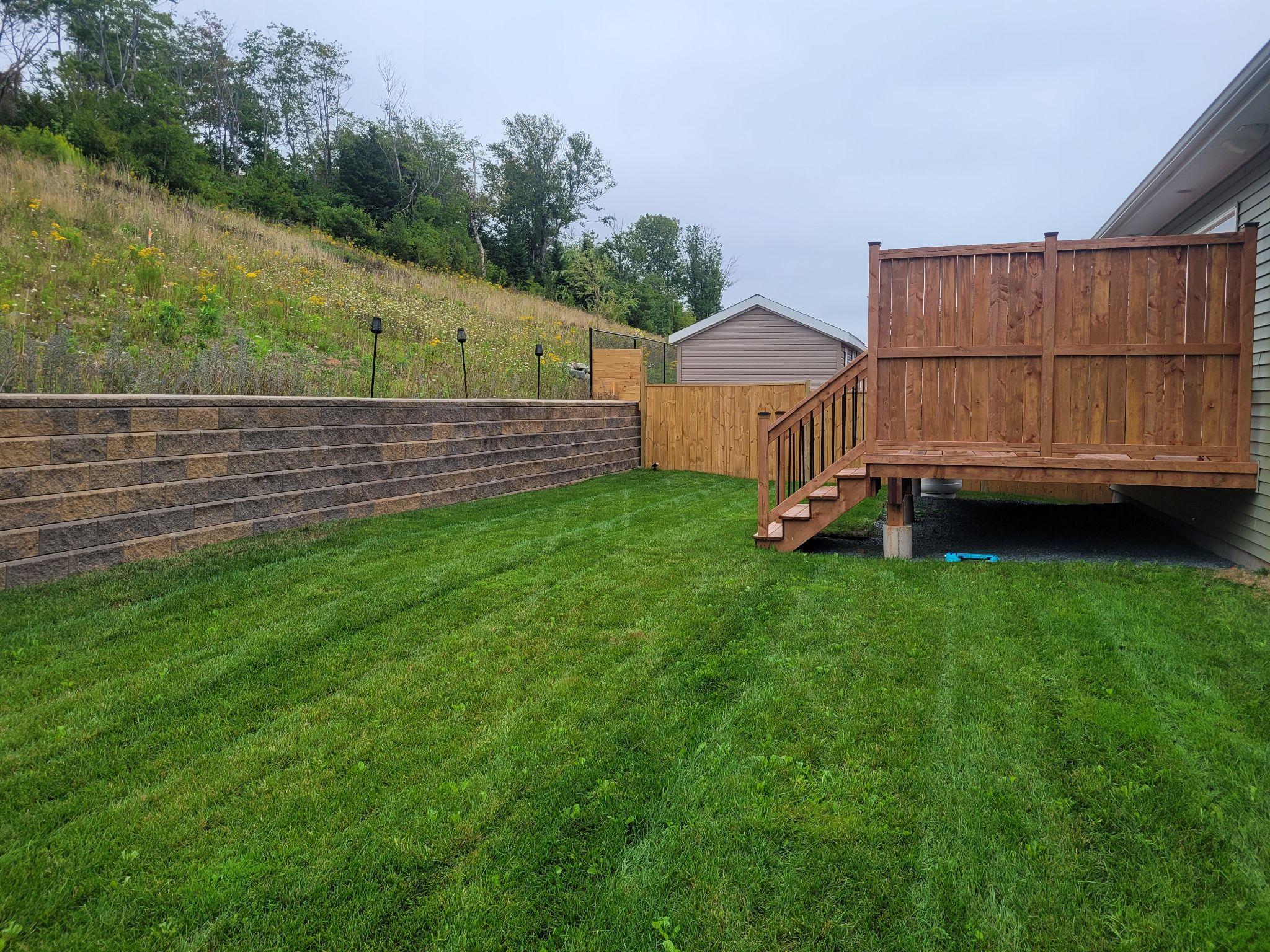
A great landscape isn’t just about plants and lawn; it also includes the “hardscape” elements like decks, patios, and fences.
Here’s a look at each and how they can enhance your yard:
Decks
A deck is a raised platform, usually made of wood or composite materials, that creates an outdoor living room of sorts. Decks are typically attached to the house, often at the back door, allowing a smooth transition from indoors to outdoors. If you enjoy entertaining or dining outside, a deck is a fantastic addition. It provides a flat, stable surface for furniture like grills, tables, and lounge chairs.
For homeowners with sloped yards, a raised deck can even create usable space where a patio might not be feasible. Maintenance for wood decks includes periodic sealing or staining to keep them healthy and looking good, whereas composite decks are lower maintenance (just cleaning).
Patios
A patio is a ground-level surface, often made of concrete, pavers, or stone, that provides an alternative way to enjoy your yard. Patios are versatile; they can be small (just a nook for a café table) or large (big enough for an outdoor kitchen and multiple seating areas).
You could have a circular flagstone patio under a tree or a rectangular paver area adjacent to the house. If you choose permeable pavers, you also allow rainwater to soak through rather than run off, which is an eco-friendly bonus. A patio, surrounded by attractive landscaping features such as planters or hedges, can truly become the heart of an outdoor space.
Fencing
A fence serves both practical and aesthetic roles. Practically, fences provide privacy, safety for kids and pets, and mark property boundaries. Aesthetically, the right fence style can complement the look of your home and landscape.
Vinyl fences are popular for being low-maintenance, requiring only occasional cleaning, and they come in many styles that mimic the look of wood. Wrought iron or aluminum fences provide an elegant, open feel, you see these often in front yards or to enclose pools (since they meet safety codes). There’s also chain link, which is utilitarian and durable, though less charming; it can be dressed up with vines or shrubs planted alongside.
What Do You Get from an Easy, No-Hassle Service?
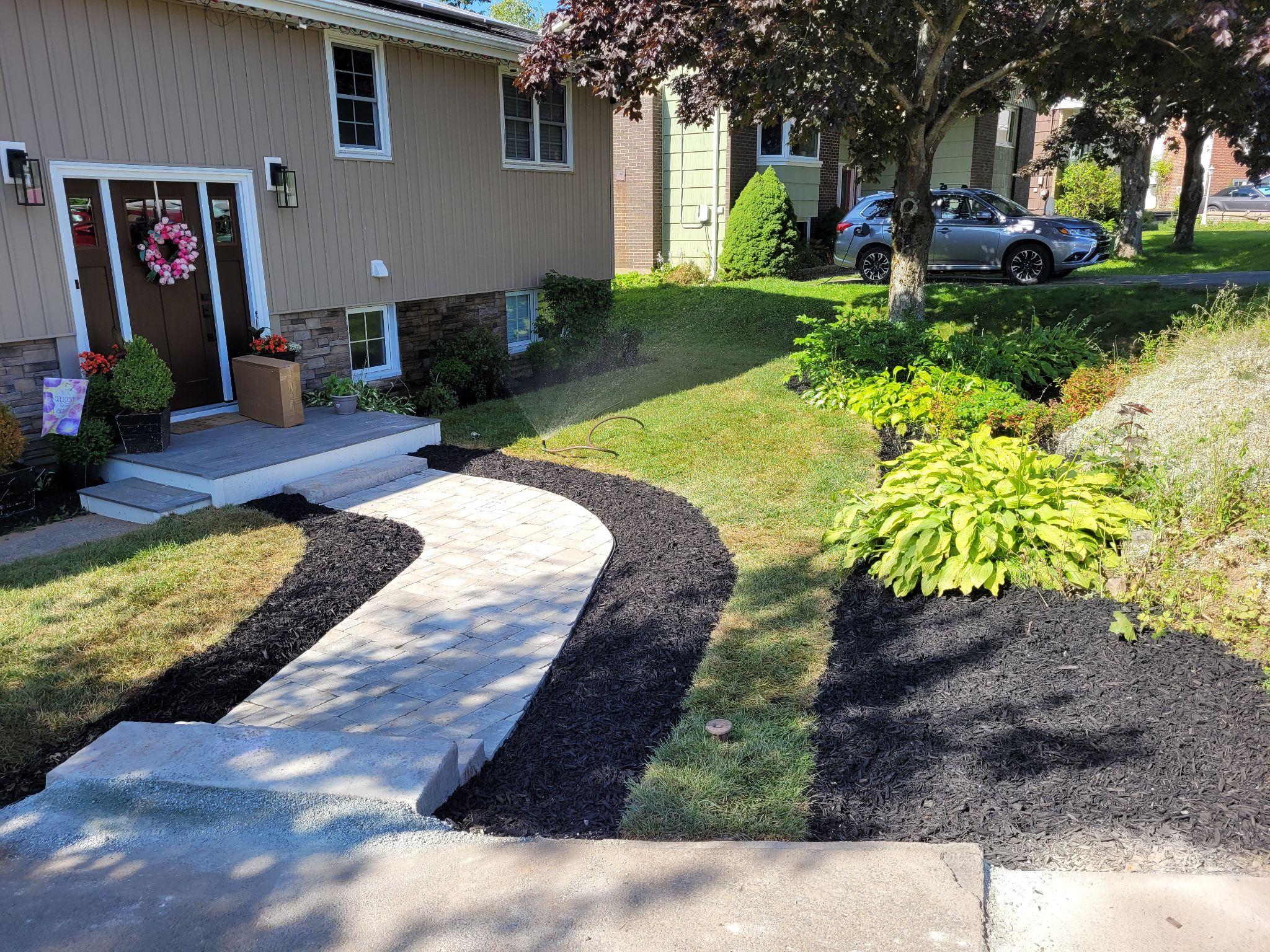
All the tips and techniques in this guide can help you maintain your yard effectively. But maybe you’re thinking, “This sounds great, I just don’t have the time to do it all myself.” That’s where hiring a dependable, no-hassle landscape service can be a game-changer for a homeowner.
What does “no-hassle” really mean in terms of landscape and lawn maintenance? It means you get to enjoy all the benefits of a clean, well-kept yard without the common frustrations that sometimes come with hiring contractors. Here’s what you get with an easy, no-hassle service:
- You always reach someone when you call.
- You can get pricing and approve your quote over the phone.
- You get a guaranteed two-day service window.
- Crews are paid based on performance, and lawns are inspected for quality.
- If anything’s off, it’s fixed the same day.
How Do You Keep Your Landscape Looking Great All Year?

Keeping your landscape looking great all year means adapting your care to the season. In spring, start with clearing winter debris, edging garden beds, pruning shrubs, and applying a slow-release fertilizer. It’s the perfect time to refresh mulch and get your lawn on a regular mowing schedule.
Summer requires consistent attention. Mow regularly, water deeply in the early morning, and remove weeds before they have a chance to spread. Monitor for pests or lawn disease, especially during heatwaves. Light pruning of hedges can help keep them tidy and healthy.
As fall arrives, overseed patchy areas and aerate the soil if it’s compacted. Rake fallen leaves frequently and apply a fall fertilizer to strengthen your lawn’s roots before winter. It’s also a good time to plant bulbs and trim perennials.
Winter is slower, but there are still things you can do. Prune dormant trees, clean and store garden tools, and make plans for new projects in the coming year. Brush off snow from shrubs to prevent breakage and avoid piling shoveled snow on your lawn.
Small, season-specific actions go a long way. With consistency, you can maintain a healthy, attractive yard throughout the year.
Why Choose Green Scholars for Your Landscape & Lawn Maintenance?
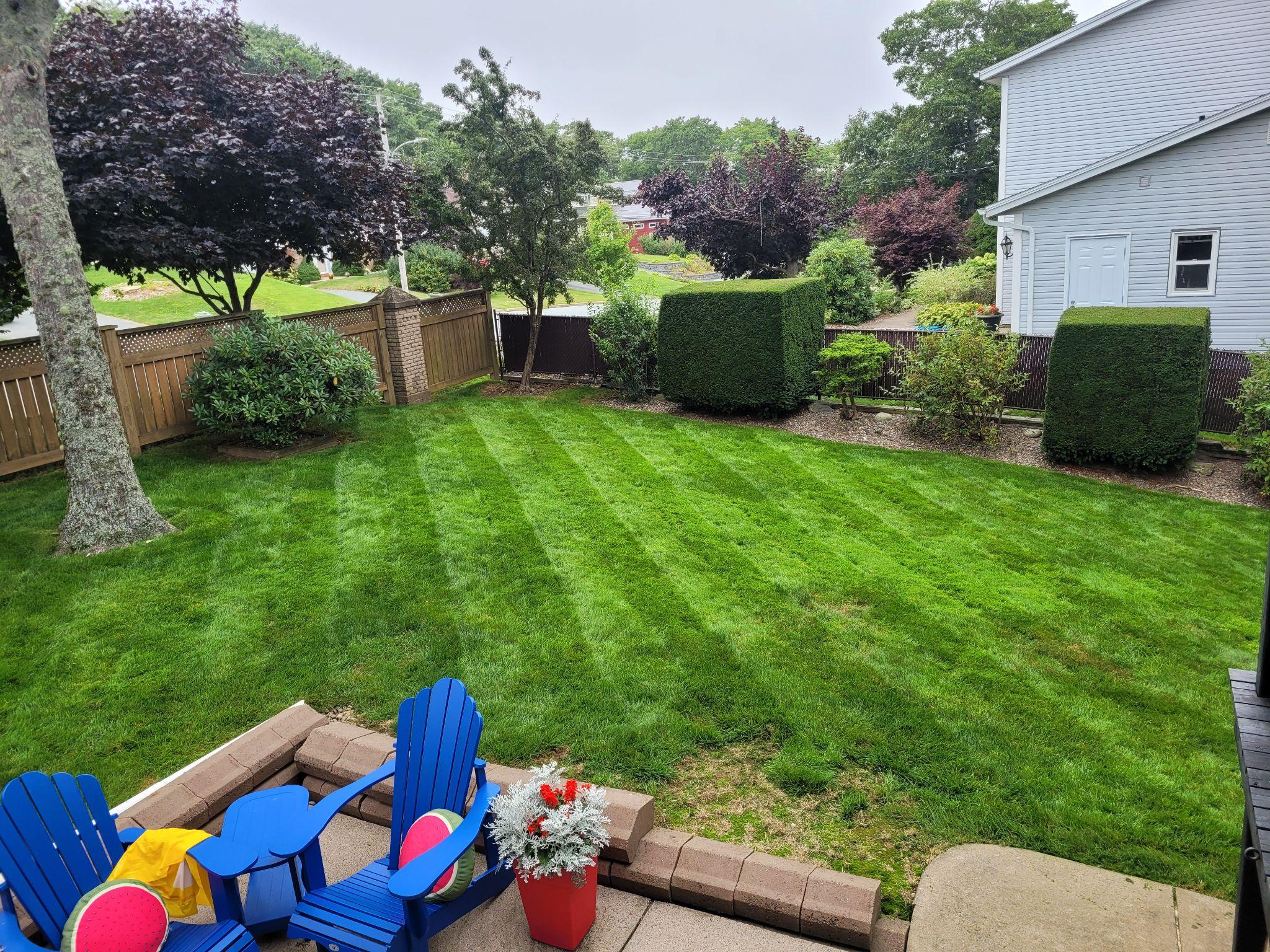
At Green Scholars Landscaping & Lawn Care, our team understands how stressful it can be to manage your yard, especially when experiences with contractors have left you doing more work just to keep things on track. That’s why we’ve built our service around reliability, quality, and communication.
When you call us, you speak to professional landscapers. There’s no waiting around or wondering if someone will get back to you. You can get your mowing price right on the phone and approve it immediately. Everything is handled through an easy-to-understand system so you’re never guessing about timing or cost.
At Green Scholars Landscaping & Lawn Care, our crews are paid for performance, and every job is thoroughly checked for quality, ensuring your yard receives the attention it deserves. If something isn’t right, we send someone back the same day to fix it. That’s our promise.
We don’t believe in making yard work more complicated than it needs to be. You should feel confident that your lawn and landscape are well-maintained, without having to chase anyone down.
Ready for dependable, professional service that fits your schedule? Request a quote and let’s get started.
Summary
This guide provides homeowners with honest and practical advice on landscape and lawn maintenance. Learn how to mow correctly, care for garden beds, schedule regular tasks, manage seasonal upkeep, and decide when the sod installation process is right for you. We’ve included tips on edging, utilizing hardscape elements, and selecting reliable service providers who prioritize effective communication and quality. By following these straightforward recommendations, you’ll spend less time stressing over your yard and more time enjoying it. Whether you do it yourself or hire professionals, this guide helps you stay on top of your lawn and landscape throughout the year without the guesswork.
Tags: