
What Snow and Ice Management in Halifax Actually Involves
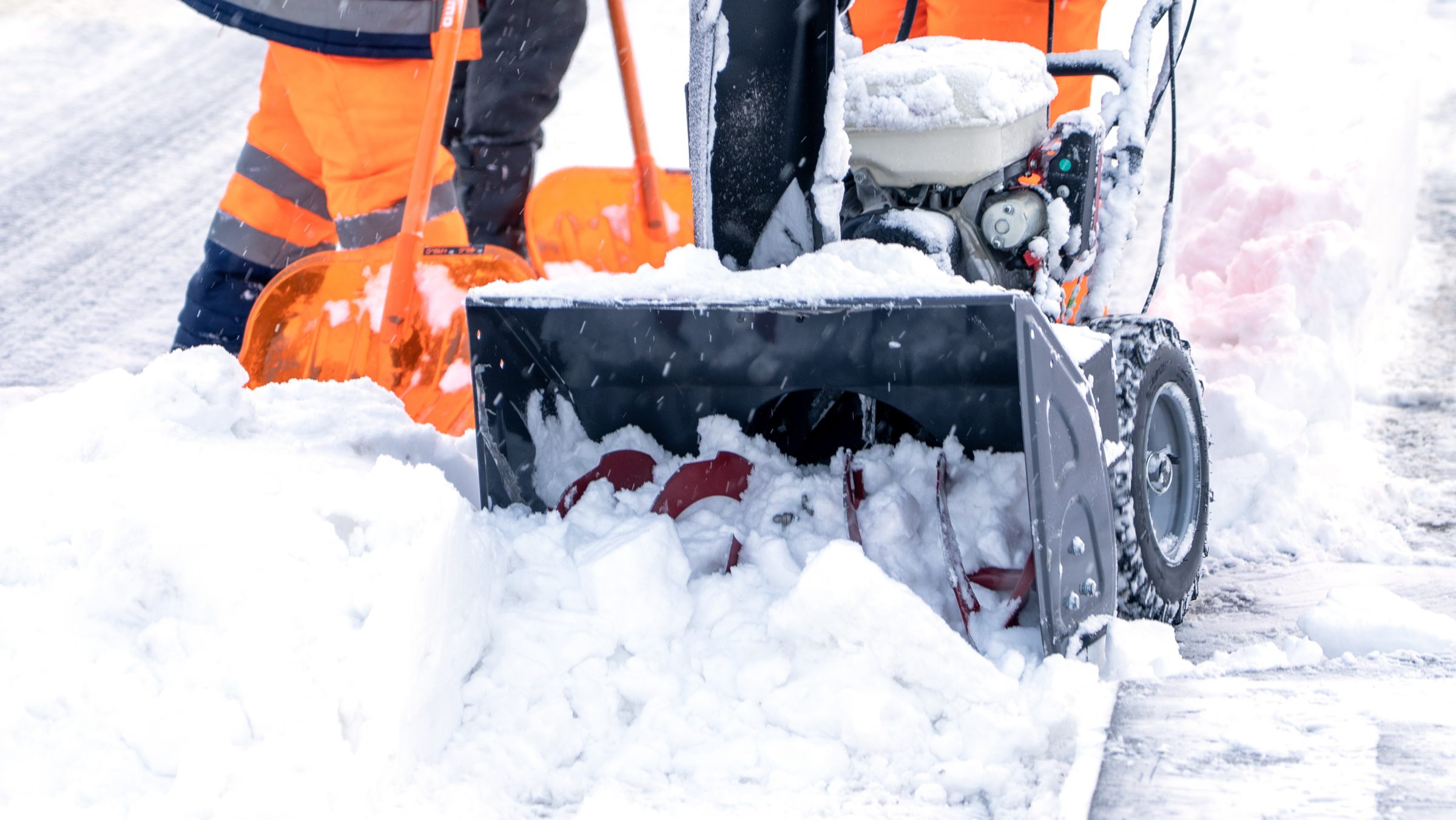
Overview
By late October, most property owners in the Halifax Regional Municipality (HRM) have already made their winter snow plan, usually by accident. You glance at last year’s battered shovel by the back door and resign yourself to doing whatever you did last winter.
But with an average of 45 snowfall days between that first wet November flurry and the muddy edges of April, winging it isn’t much of a strategy. The question isn’t whether your property will need to be cleared; it’s how you’ll handle those freezing early mornings when the snow arrives.
HRM is responsible for clearing public streets and sidewalks. Everything inside your property line, including the driveway, walkways to the door, and steps, is your responsibility.
Whether you’re a homeowner or managing a residential unit, this blog is your complete guide to planning for, managing, and getting through the winter snow-clearing season.
Table of Contents
- What does a Halifax winter put on the ground?
- What does HRM clear, and what gets left behind?
- What snow and ice management covers on a private property?
- What winter does do to your lawn and plantings?
- Why does winter plant protection start before the first storm?
- How do you choose a snow removal provider in Halifax?
- Where should you start this season?
What does a Halifax winter put on the ground?

Environment Canada’s climate normals for downtown Halifax put the average winter snowfall at about 182 centimetres. That snow arrives over roughly 45 days with fresh snowfall, while about 69 days of the year have at least a centimetre of snow on the ground. The season typically runs from early November to the end of April.
Month by month, the totals build slowly before winter settles in:
- November: about 10 centimetres, the month that gets the shovel out.
- December: about 35 centimetres, the point when the first serious falls start changing your mornings.
- January: about 50 centimetres, the heaviest month of a Halifax winter.
- February: about 41 centimetres, close behind January.
- March: about 31 centimetres, on ground that has already been under snow for months.
- April: about 12 centimetres, and often when the damage underneath starts to show.
Those numbers help explain a pattern that repeats across Halifax, Dartmouth, Bedford, and Sackville. December can feel manageable. Thirty-five centimetres spread across several falls means a handful of early mornings with a shovel or snowblower. January is different. Fifty centimetres can land on a driveway already banked with snow on both sides, leaving fewer places to push the next load. That is when a manageable winter can quickly become a problem, and when snow removal arrangements are often made in a rush instead of planned in the fall.
It is also worth putting those 45 snowfall days in perspective. They do not mean 45 major clearings. Many snowfall events produce only a centimetre or two that melts from pavement by midday. But a Halifax winter is made up of dozens of small decisions, not just a few major storms.
That is why a good snow plan needs to account for the ordinary February week, not just the big storm you remember from last year. The goal is to know what you will do before the snow starts falling, rather than figuring it out at 6 a.m. with a buried driveway.
What does HRM clear, and what gets left behind?
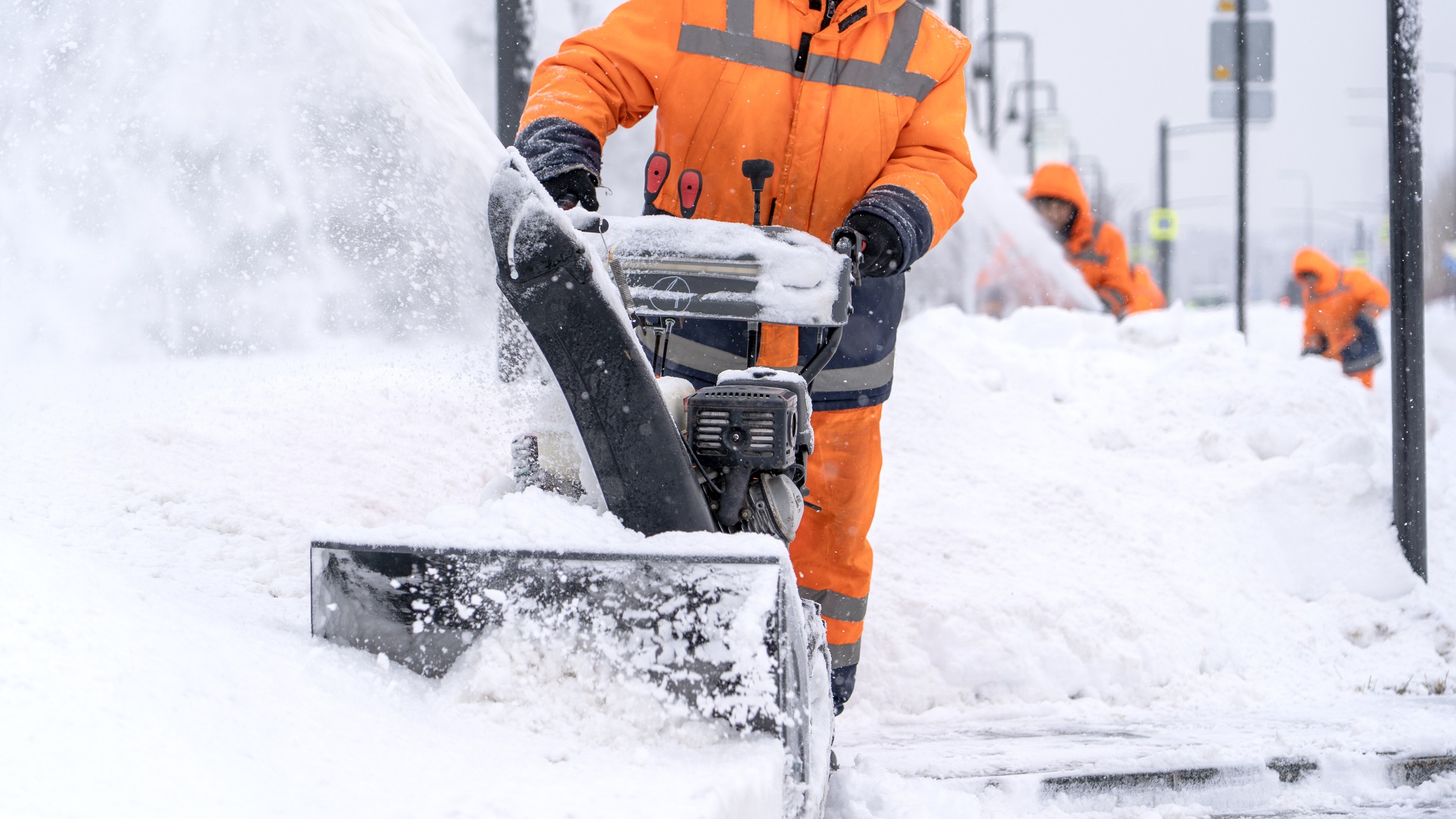
HRM runs a large winter operation. Crews clear 4,322 lane kilometres of streets, about 1,000 kilometres of sidewalks, and roughly 2,300 bus stops.
That sidewalk number matters. HRM clears every public sidewalk in the region, including the sidewalk in front of your house. Driveways, however, are the residents’ responsibility. That distinction is important because it is not the same in every Canadian city. In some municipalities, property owners are responsible for the sidewalk outside their homes and may face a deadline or fine if they do not clear it.
In HRM, the surfaces you need to arrange for are your driveway, walkway to the door, and steps.
HRM’s service standards are measured from the end of a storm, not from when the snow begins to fall:
- Priority 1 streets: Main arterials, bus routes, steep hills, and emergency routes are cleared within 12 hours.
- Priority 2 streets: Residential and rural roads receive a first access cut once 10 centimetres has fallen, followed by full clearing within 24 hours.
- Sidewalks: HRM aims to clear downtown and main-arterial sidewalks within 12 hours, transit-route sidewalks within 18 hours, and residential streets and city walkways within 36 hours.
Those timelines can stretch when snowfall exceeds 30 centimetres or during blizzard conditions. Before a storm, HRM may also apply brine (a salt-and-water solution) to roads. The city says brining can provide the same standard as salting after snowfall while using as little as one-fifth of the salt.
City snow clearing starts becoming your problem when the plow pushes snow toward the side of the road, causing a ridge of packed snow across the entrance to your driveway. This ridge is called a windrow and HRM is clear that residents are responsible for removing windrows from their driveways. Plows may make several passes to open catch basins and maintain access for emergency vehicles, and some of that snow can be pushed into driveways.
Windrow snow is often the hardest snow of the storm to deal with because the plow blade has already compacted it. A driveway that was clear before the street plow came through can be blocked again minutes later.
A couple of HRM rules are especially important to keep in mind when planning for winter:
- Cleared snow must stay on your property. Once snow is off your driveway, you still have to put it somewhere legally.
HRM’s By-law S-300 prohibits throwing or piling snow in the street or on the sidewalk. Cleared snow must stay on your own property. If you violate the by-law, the city can issue a posted 24-hour order requiring you to remove the snow and ice from the right of way. If you do not comply, HRM can do the work and add the cost as a lien collected like property taxes. A violation may also result in a ticket of at least $100. - The winter parking ban can limit driveway space. HRM’s overnight winter parking ban runs annually from December 15 to March 31, but it is enforced only during declared weather events and clearing operations. When the ban is in effect, vehicles cannot be parked on the street between 1 a.m. and 6 a.m. Vehicles that interfere with snow clearing may be ticketed, towed, or both. That makes driveway space more important during a storm. If a household normally keeps a vehicle on the street, it needs somewhere to put that vehicle on the same nights when the driveway may already be filling with snow.
Before winter, HRM recommends a few simple steps to make snow clearing easier and reduce the risk of damage:
- Move planters, decorations and loose items: Keep them away from sidewalks and other areas that need to be cleared so they are not buried, damaged or in the way of equipment.
- Mark permanent structures: Use visible reflectors on posts, retaining walls and other fixed features so they can still be seen once they are covered by snow.
- Trim branches and shrubs: Cut back vegetation that extends into the right-of-way. Overhanging branches can interfere with clearing equipment and may bend or break under the weight of snow and ice.
- Keep vehicles off sidewalks: Park vehicles entirely on your property and make sure they do not overhang the sidewalk, where they can obstruct pedestrians and snow-clearing equipment.
The bottom line: HRM clears the public right-of-way, but property owners are responsible for planning for everything on their side of the property line, including the driveway, entrance, steps, windrow, and where cleared snow will go.
What does snow and ice management cover on a private property?

Once the city’s line is clear, the private job is easy to define: the driveway, the walkway to the door, the steps and the ice on all three. For an HRM home, that is usually the full scope, since the sidewalk is not part of it. Salt or another de-icer is the other half of the work, and most contractors price it separately rather than including it in the driveway price.
Residential snow removal is generally sold in two ways: per visit or via a seasonal contract. While we offer both options, our priority is our seasonal contract clients. Contract holders receive top priority during and immediately after a storm; one-time service calls may take 24 to 48 hours for us to reach, depending on snowfall volume. For reliable, guaranteed service after every storm, a seasonal contract is the ideal route. Rather than comparing a price per push, a seasonal agreement covers the entire winter at a set price, regardless of how much snow falls. What a season costs, and what moves that number up or down, is best understood with a custom quote based on your actual property.
Another number that shapes the experience is the service window: how long after the snow stops before someone arrives. Our crews clear properties within 12 hours of the end of the snowfall. That window also helps explain what happens with windrows. If the street plow has already passed and left a ridge before the crew arrives, it is cleared as part of the visit. If the plow comes through afterwards, the new ridge waits for the next visit. No contractor can be in the driveway at the exact moment a street plow passes, so it is better to understand that timing in the fall than discover it in January.
Plenty of HRM homeowners clear their own driveways, and for one flat driveway in a normal winter, that can be a reasonable choice. It is still worth doing properly. Shovelling can put more strain on the back and heart than many people expect, so good technique, steady pacing and knowing when to stop all matter.
What Does Winter do to your Lawn and Plantings?
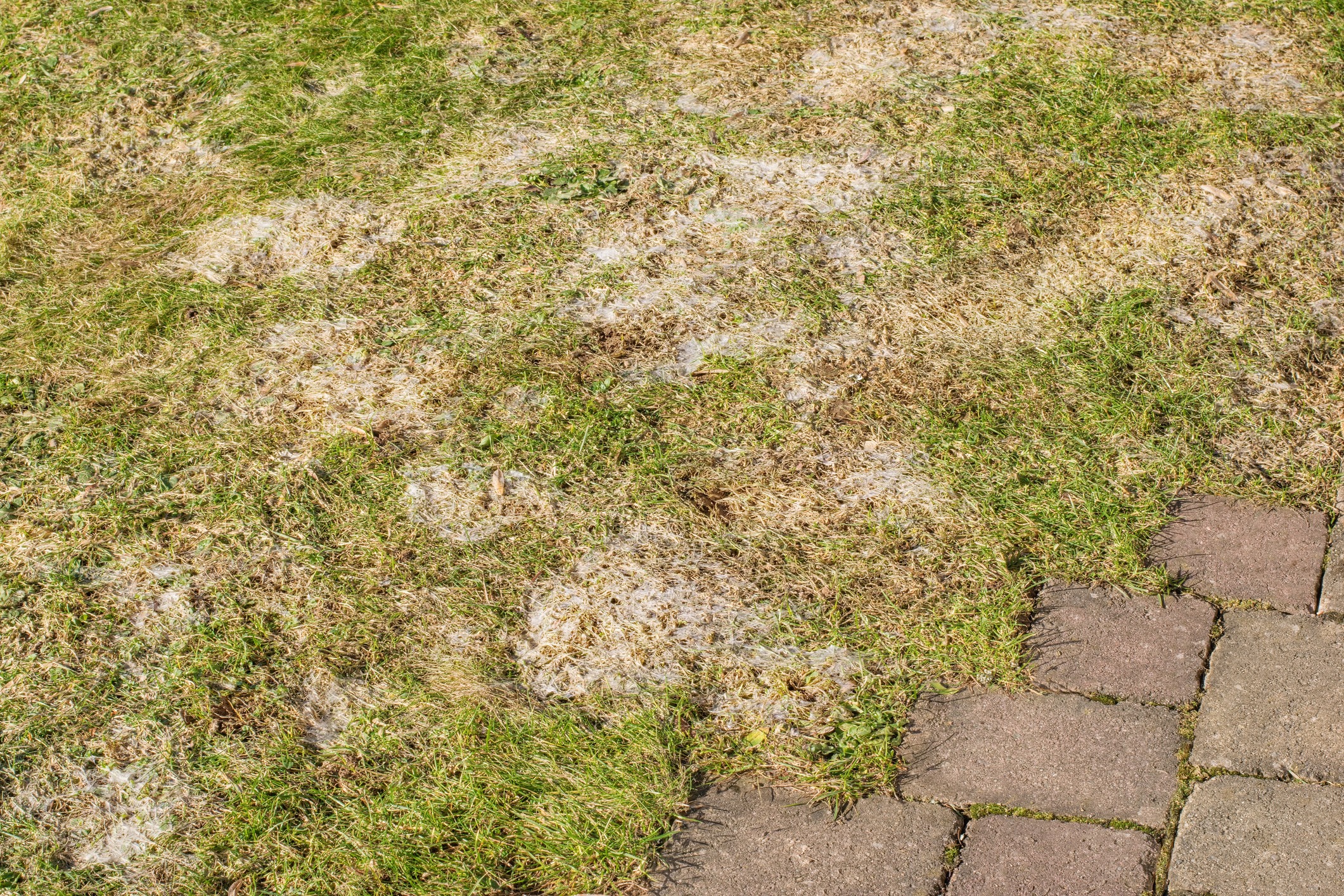
The part of winter that can cost the most to fix is the damage nobody sees until spring. Snow and ice management is not just about getting out of the driveway; it can also affect how the lawn and garden beds look in May. Three problems show up regularly.
- Snow mould: Round patches of matted, greyish grass, up to about a metre across, sometimes with white or pink growth.
- Salt damage: Straw-coloured grass along sidewalks, driveways and streets, usually worst at the pavement edge and fading farther into the lawn.
- Grass that never comes back: Patches that remain brown while the rest of the lawn greens up.
Snow mould is the problem that often looks the worst but usually causes the least damage. It is a fungus that develops beneath persistent snow cover, when wet soil stays just above freezing. The grey or pink patches you see in April were often developing months earlier. Snow mould usually damages the grass blades rather than killing the plant itself. Lightly raking the affected areas to loosen the matted grass can help the lawn recover on its own.
Salt damage is more serious because it comes from winter maintenance rather than the weather. De-icing salt draws moisture from grass roots and can burn the leaves it touches. That is why damage often appears as a brown strip along the edge of a driveway or walkway rather than across the whole lawn. Spring rain gradually washes salt from the soil, so an edge that looks dead in April can often recover. Where salt exposure is a recurring problem, fine fescue tends to tolerate those conditions better than many other grasses.
The patches that never green up are the ones most likely to need repair. They can result from poor drainage and standing water, repeated freezing and thawing, or foot and equipment traffic across frozen turf. In these areas, the grass may be dead rather than simply damaged, making reseeding or new sod the likely fix once the ground has warmed.
Why Does Winter Plant Protection Start Before the First Storm?

Nearly everything that gets a lawn and its plantings through an HRM winter happens before the snow arrives. Once the ground is white, most of the important choices have already been made.
For the lawn, fall preparation matters most. Leaves left on the grass, heavy late-season nitrogen and overly long turf can all encourage snow mould. Clearing the leaves, making a normal final cut and skipping late fertilizer can help prevent spring damage.
Around the driveway and walkway, snow stakes placed before the ground freezes show where the lawn ends once everything is covered. They help keep clearing equipment off the turf and protect lawn edges. We install stakes before the season and take care around lawns and plant beds throughout the winter.
Shrubs beside driveways face both heavy snow and salt spray. Burlap can help by holding branches together and shielding foliage. We offer shrub wrapping as an additional service where needed.
It is also worth deciding where the snow will go. Under By-law S-300, cleared snow must stay on your property. Salted snow carries salt into the soil as it melts, so a pile on the lawn edge or against a shrub bed can cause damage. Choosing a spot to store your shovelled snow in November can prevent dead grass and damaged shrubs in spring.
How do You Choose a Snow Removal Provider in Halifax?
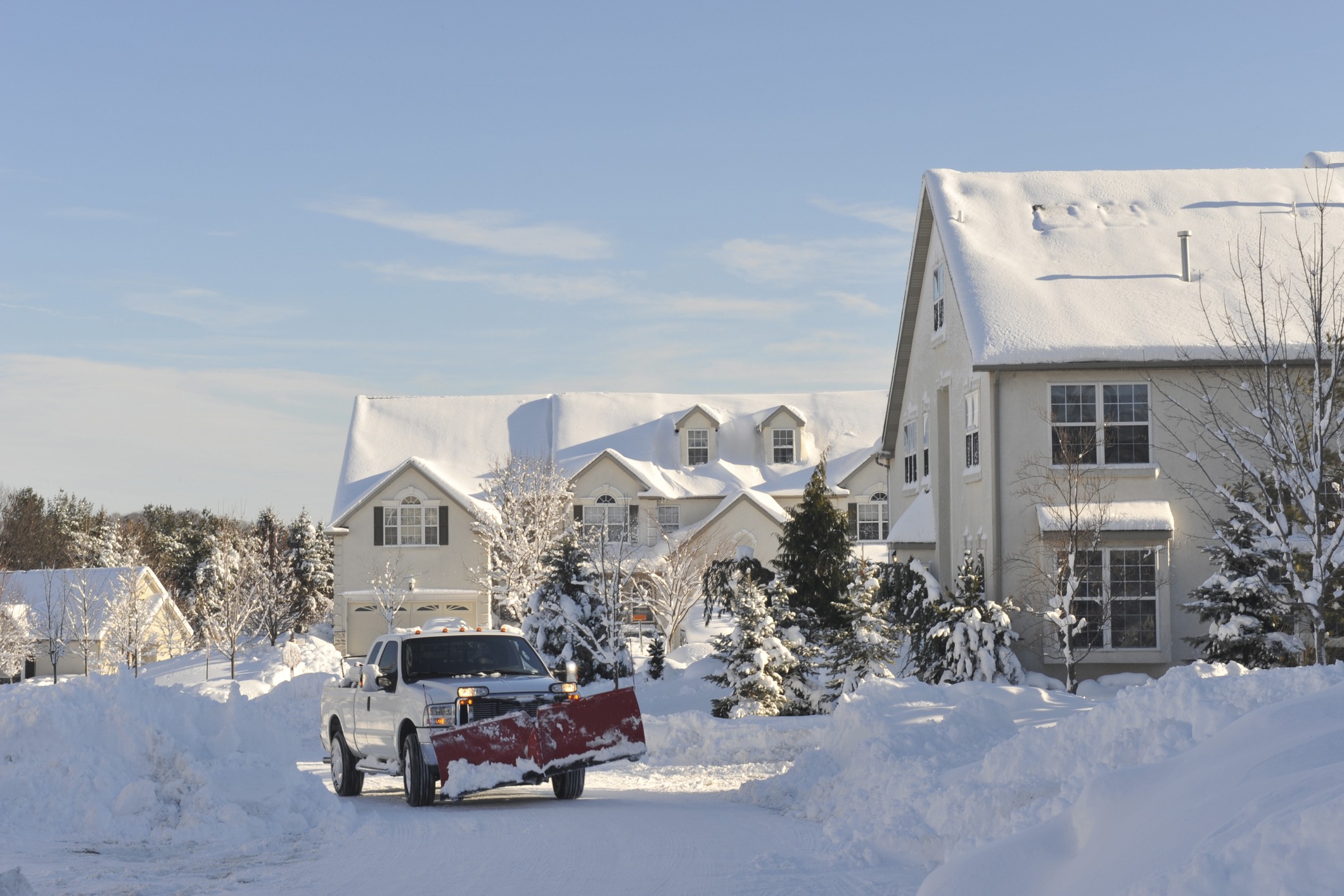
Snow clearing in Halifax is easy to get into and hard to do well. The market ranges from established companies with equipment, crews and insurance to individuals with a truck and a price quoted on the spot. The difference matters most when a major storm puts every contractor under pressure. The Competition Bureau has identified several areas where problems can arise, including unclear agreements, deposits for services that are never delivered, and residential customers being pushed behind commercial accounts when crews are stretched. A contractor who will not provide a written contract or proper invoices is best avoided.
Before signing, there are several things worth checking.
- A written contract: The agreement should clearly state what is included, what is not, how often the property will be serviced and how the contract can be ended. It gives both sides something concrete to refer to if a visit is missed or there is a disagreement after a storm.
- A clear service window: Look for a specific timeframe, such as a number of hours after the snowfall ends. That gives you a standard you can actually measure. “Promptly” or “as soon as possible” sounds reassuring but is difficult to judge when a major storm affects the entire city.
- Your place in the queue: If a company handles both residential and commercial properties, ask how residential customers are prioritized when crews are stretched. A company may have plenty of equipment on a normal day but a very different capacity during a major storm.
- A reasonable payment schedule: Understand when payment is due and what happens if the service is not delivered. Paying for an entire winter before any work has been done puts most of the financial risk on the customer. A payment schedule tied to the service can provide more balance.
- A snow-storage plan: On a small HRM lot, where the snow goes is part of the job. There may not be room to keep pushing piles farther down the driveway all winter. A contractor should look at the property and identify a practical storage area before the season begins.
It is also worth reading the contract beyond the headline price. Clauses about what counts as a service visit, how windrows are handled, when additional charges apply and who is responsible for property damage can make a significant difference over the course of a winter. The cheapest quote is not necessarily the cheapest service if the things you expect to be included turn out to be extras.
A good snow-clearing agreement should leave you knowing three things before the first storm: what will be cleared, when it will be cleared and what you will pay for it.
Where Should You Start This Season?
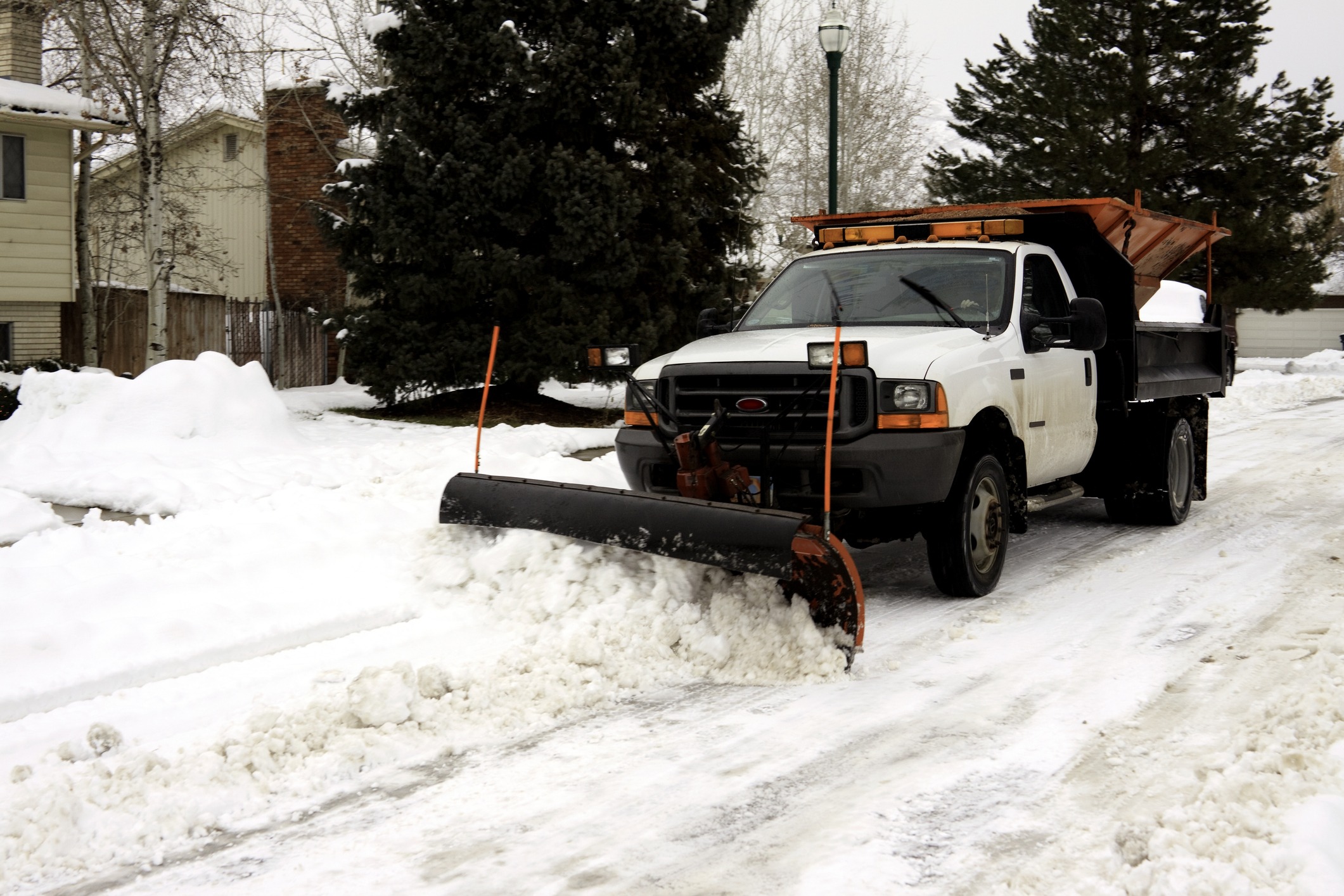
The best time to make a winter plan is early fall, while you can still walk the property and see what needs to be done. Before the first snowfall, measure the driveway and note the walkway and steps so your quote reflects the actual property. Decide where a winter’s worth of snow can go without piling onto the lawn or garden beds, and move planters, decorations and low branches out of the way while the ground is still workable.
Then decide whether you want to spend this winter shovelling, or leave the work to the professionals. Seasonal snow removal means less time outside in the cold, fewer worries during major storms, and peace of mind knowing your property will be kept clear and accessible.
If you’re hiring a contractor, don’t wait until the first major storm. Green Scholars provides seasonal snow and ice removal for residential and commercial properties across HRM, with every quote based on an on-site look at your property.
Ready for a winter without the guesswork? Request a quote from us today and get your property on the schedule before the snow arrives.
Tags: